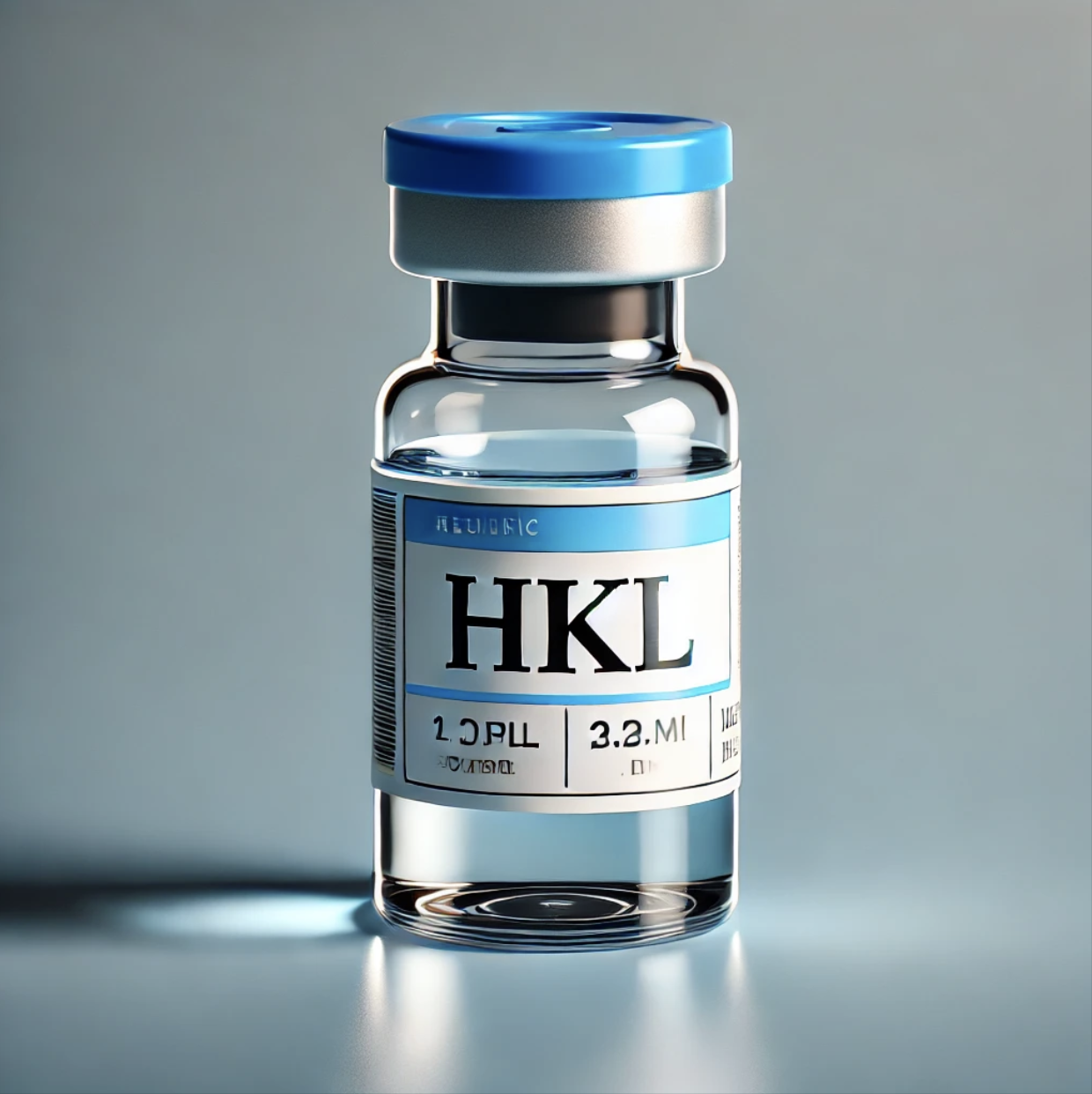
HKL operates under a state-licensed compounding laboratory dedicated to next-generation peptide therapeutics. Every formulation is prepared under USP <797> sterile protocols, batch-verified for identity and purity, and dispatched the following business day. Unlike other research-use peptide companies that ship raw powder requiring you to reconstitute it yourself, every HKL product arrives already reconstituted in liquid form — pre-balanced to the correct pH, sterility-tested, and ready for your research the moment it reaches your door.
99.4%
Mean HPLC Purity
<24hr
Order to Dispatch
USP <797>
Sterile Compounding
Standard
HKL Peptides
Research-Only Sites
HPLC-Verified Purity ≥ 99%
Every batch is analyzed by reverse-phase high-performance liquid chromatography. We do not release lots below a 99% purity threshold — and we publish the exact figure on every Certificate of Analysis.
✓
✕
Pharmaceutical-grade raw materials
All active peptides are sourced from FDA-registered facilities that specialize in pharmaceutical-grade synthesis. Mass spectrometry and amino-acid analysis confirm structural identity prior to compounding.
✓
✕
ISO Class 5 sterile environment
Compounding is performed within a certified ISO Class 5 laminar-flow workspace. Environmental monitoring, gowning protocols, and media-fill validation are conducted on a continuous schedule.
✓
✕
Third-party endotoxin testing
Each lot undergoes independent LAL endotoxin and sterility testing through ISO 17025-accredited laboratories. Test results are available on request, referenced by lot number.
✓
✕
Validated cold-chain logistics
Vials are dispatched in temperature-mapped insulated packaging with validated phase-change media, ensuring formulation stability from our facility to your residence.
✓
✕
Pre-reconstituted liquid formulations
Every product ships already reconstituted in liquid form — pH-balanced, sterility-tested, and ready to use. No measuring, no mixing, no risk of contamination from DIY reconstitution. Other sites ship raw lyophilized powder that you must reconstitute yourself.
✓
✕
About HKL
HKL is a U.S.-based peptide supplier built on a single commitment: deliver consistent, pharmaceutical-grade product backed by rigorous quality control. For more than five years, our customers — researchers, clinicians, and long-time clients — have relied on us for material that meets the standards their work demands.
We operate two registered compounding facilities in Jupiter, FL and Marmora, NJ. Every batch is prepared by trained personnel under controlled conditions, packaged with insulated freezer packs, and shipped overnight to preserve integrity from our facility to yours.
As we expand into a broader telehealth platform, our manufacturing standards, sourcing practices, and testing protocols will remain unchanged.
✓
Registered Compounding Facility
Our laboratories are state-registered and operate under documented compounding and handling procedures.
⚗
Third-Party Purity Testing
Every production lot is independently analyzed for identity and purity by an accredited outside laboratory. Certificates of Analysis are available on request.
☼
Pharmaceutical-Grade Sourcing
Active compounds are sourced from vetted pharmaceutical-grade suppliers and verified before release into inventory.
❄
Cold-Chain Overnight Shipping
Orders ship overnight with insulated packaging and freezer packs to preserve peptide stability in transit.
Research Applications
Our catalog supports laboratory and clinical investigation across several established categories of peptide research. The summaries below describe the areas in which these compounds are most commonly studied.
Metabolic & Weight Management Research
GLP-1 and dual/triple agonist peptides — including Semaglutide, Tirzepatide, Retatrutide, Cagrilinitide, and CagriSema — studied for effects on glucose regulation, appetite signaling, and adiposity.
Tissue Repair & Recovery
BPC-157, TB-500 (Thymosin Beta 4), KPV, GHK-Cu, and combination repair blends investigated for soft-tissue healing, inflammation modulation, and post-injury recovery models.
Growth Hormone Secretagogues
CJC-1295/Mod GRF 1-29, Ipamorelin, Hexarelin, and Tesamorelin used in research on endogenous growth-hormone release, body composition, and IGF-1 signaling.
Longevity & Cellular Health
Epithalon, FOXO4-DRI, Humanin, MOTS-c, NAD+, and SS-31 explored for telomere biology, senolytic activity, and mitochondrial function.
Cognitive & Neurological Research
Selank, Semax, Pinealon, and PinEpi studied for neuroprotection, cognition, and stress-response pathways in preclinical models.
Immune & Anti-Microbial Research
Thymosin Alpha 1, Thymalin, LL-37, and KPV examined for immunomodulatory and host-defense activity.
Anti-Fibrotic & Cardioprotective
B7-33 and ARA-290 investigated for tissue-protective and anti-fibrotic mechanisms without the off-target effects of their parent hormones.
Skin, Hair & Cosmetic Science
GHK-Cu, KGHK, and related copper-binding peptides studied for collagen synthesis, dermal remodeling, and follicular research.
🔍
Cart
Contact information
We'll use this email to send you details and updates about your order.
You are currently checking out as a guest.
Shipping address
Enter the address where you want your order delivered.
Create an account to track your orders and get faster checkout.
A password will be sent to your email address.
Contact Us
Have a question? Fill out the form below and we'll get back to you as soon as possible.
📦
Orders & Shipping
Questions about your order, tracking, or cold-chain delivery? Our fulfillment team typically responds within one business day.
🔬
Product & Quality Inquiries
Request a Certificate of Analysis, batch testing data, or technical specifications for any product in our catalog.
⏱️
Hours of Operation
Monday – Friday, 9:00 AM – 5:00 PM EST. Inquiries received outside business hours are answered the following business day.
🏛️
Facilities
Registered compounding laboratories in Jupiter, FL and Marmora, NJ. All shipments leave from our U.S. facilities.
B7-33
A synthetic peptide derived from the hormone relaxin, designed to replicate its beneficial anti-fibrotic and tissue-repair effects without triggering unwanted hormonal side effects.
B7-33 20mg
$375.00
A single-chain peptide modeled from the B-chain of relaxin. Selectively activates specific signaling pathways linked to tissue repair while avoiding the reproductive or hormonal effects of full relaxin.
🔬 What B7-33 Is
A single-chain peptide modeled from the B-chain of relaxin
Selectively activates specific signaling pathways linked to tissue repair
Designed to avoid the reproductive or hormonal effects of full relaxin
⚙ Mechanism of Action
1Targets the Relaxin Receptor (RXFP1)
Binds to Relaxin family peptide receptor 1 (RXFP1), which is widely expressed in connective tissue, heart, kidneys, and lungs.
2Biased Signaling Activation
Unlike full relaxin, B7-33 selectively activates certain pathways:
Reduces activation of fibroblasts (cells responsible for scar tissue)
Decreases collagen deposition
Helps remodel existing fibrotic tissue
4Anti-inflammatory & Cytoprotective Actions
Lowers inflammatory signaling
Protects cells from stress-induced damage
Supports tissue healing and regeneration
✨ Potential Benefits (Based on Research)
Cardiac Protection
Studied in models of heart disease. May reduce cardiac fibrosis and improve heart function.
Kidney Protection
Shows potential in chronic kidney disease. May reduce fibrosis and improve renal structure.
Lung Fibrosis
Investigated for conditions involving lung scarring. May help improve tissue flexibility and function.
General Tissue Repair
Promotes healing in damaged connective tissues. May support recovery after injury by limiting scar formation.
Key Takeaway
B7-33 is a targeted anti-fibrotic and tissue-repair peptide that:
Mimics the beneficial effects of relaxin without full hormonal activity
Works through selective activation of the RXFP1 receptor
Shows promise in reducing fibrosis and improving organ function
ARA-290
A synthetic peptide derived from a portion of the hormone erythropoietin (EPO), designed to capture EPO's tissue-protective effects without triggering its red-blood-cell–stimulating activity. Also known as cibinetide.
ARA-290 20mg
$225.00
A small, engineered peptide (11 amino acids) that selectively targets a receptor complex involved in cell protection and repair. Does not increase hematocrit, unlike full EPO.
🔬 What ARA-290 Is
A small, engineered peptide (11 amino acids)
Selectively targets a receptor complex involved in cell protection and repair
Does not increase hematocrit (unlike full EPO)
⚙ Mechanism of Action
1Targets the Innate Repair Receptor (IRR)
Binds to a receptor complex formed by:
Erythropoietin receptor (EPOR)
CD131 (beta common receptor)
This complex is often called the Innate Repair Receptor (IRR).
Modulates immune cell activity, especially in chronic inflammatory states
4Neuroprotective & Small Fiber Repair
Enhances survival and function of small nerve fibers
Improves nerve regeneration in damaged tissue
✨ Benefits (Based on Research)
Neuropathy & Pain
Studied in small fiber neuropathy. May reduce burning or tingling pain and sensory dysfunction.
Autoimmune & Inflammatory Conditions
Explored in diseases like sarcoidosis. Potential to reduce systemic inflammation and improve symptoms.
Metabolic & Cardiovascular Effects
May improve insulin sensitivity and vascular function. Being explored in type 2 diabetes.
Cognitive / Brain Protection
Early research suggests protection against ischemic injury and neuroinflammation.
Key Takeaway
ARA-290 is essentially a targeted anti-inflammatory and tissue-repair peptide that:
Separates EPO's healing effects from its blood-related effects
Works via the Innate Repair Receptor
Shows promise in neuropathy, inflammation, and tissue injury
BPC-157
A synthetic peptide derived from a protective protein found in human gastric juice, studied for its potential role in accelerating healing and protecting tissues throughout the body.
BPC-157 30mg
$250.00
A 15–amino acid peptide fragment derived from a naturally occurring gastric protein. Stable in acidic environments and known for broad tissue-protective and healing properties.
🔬 What BPC-157 Is
A 15–amino acid peptide fragment
Derived from a naturally occurring gastric protein
Stable in acidic environments (like the stomach)
Known for broad tissue-protective and healing properties
Interacts with the nitric oxide pathway. Helps regulate:
Blood vessel dilation
Circulation
Tissue oxygenation
3Collagen & Tendon Repair
Stimulates fibroblast activity
Promotes collagen synthesis and organization
Supports tendon and ligament healing
4Anti-inflammatory Effects
Reduces pro-inflammatory cytokines
Helps limit secondary tissue damage after injury
5Cytoprotection & Cellular Survival
Protects cells against stress and toxins
Supports cell migration and repair processes
✨ Benefits (Based on Research)
Muscle, Tendon & Ligament Healing
Studied in models of tendon injuries, muscle tears, and ligament damage. May accelerate recovery and improve strength of repaired tissue.
Gastrointestinal Protection
May help protect and heal the digestive tract. Studied in ulcers and inflammatory bowel conditions.
Nerve Regeneration
Shows potential in peripheral nerve healing. May improve functional recovery after nerve injury.
Joint, Bone & Brain Protection
May support healing in damaged joints and bone repair. Early research suggests protective effects in brain injury and toxic stress conditions.
Key Takeaway
BPC-157 is a broad-spectrum healing peptide that:
Promotes blood vessel growth and tissue repair
Supports collagen formation and structural healing
Shows promise across muscles, tendons, nerves, and the digestive system
Cagrilintide
A long-acting synthetic analog of amylin, a hormone co-secreted with insulin by the pancreas, studied for its role in appetite regulation and metabolic control in weight management.
Cagrilinitide 10mg
$400.00
A modified peptide based on the natural hormone amylin, designed for extended duration of action. Typically administered as a subcutaneous injection and often studied in combination with GLP-1 receptor agonists.
🔬 What Cagrilintide Is
A modified peptide based on the natural hormone amylin
Designed for extended duration of action (long-acting)
Typically administered as a subcutaneous injection
Often studied in combination with GLP-1 receptor agonists
⚙ Mechanism of Action
1Amylin Receptor Activation
Binds to amylin receptors in the brain, particularly in appetite-regulating areas
Mimics the effects of natural amylin
2Appetite Suppression
Acts on the hypothalamus to promote satiety
Reduces overall food intake
3Slows Gastric Emptying
Delays the rate at which food leaves the stomach
Leads to prolonged fullness after meals
4Glucagon Regulation
Suppresses inappropriate glucagon secretion
Helps stabilize blood sugar levels
5Central Nervous System Effects
Influences reward-related eating behavior
May reduce cravings and hedonic eating
✨ Benefits (Based on Research)
Weight Loss Support
Reduces appetite and caloric intake. Helps promote sustained weight reduction over time.
Improved Satiety
Increases feelings of fullness after meals. Helps control portion sizes and reduces overeating.
Blood Sugar Control
Supports more stable glucose levels. May reduce post-meal blood sugar spikes through glucagon regulation.
Metabolic Health Support
Being studied for improvements in insulin sensitivity and overall metabolic function. May decrease desire for high-calorie foods.
Key Takeaway
Cagrilintide is a long-acting amylin analog that:
Reduces appetite and enhances satiety
Slows gastric emptying to prolong fullness
Supports weight loss and metabolic control
Shows strong potential, especially when combined with other metabolic therapies
CagriSema (Cag/Sema)
A dual-peptide combination therapy of cagrilintide (amylin analog) and semaglutide (GLP-1 receptor agonist), studied for powerful synergistic effects on weight loss and metabolic health by targeting multiple appetite and energy balance pathways.
CagriSema (Cag/Sema) 10mg each
$475.00
A combination therapy pairing cagrilintide (an amylin analog) with semaglutide (a GLP-1 receptor agonist) for synergistic appetite control and metabolic improvement. Typically administered as a subcutaneous injection.
🔬 What CagriSema Is
A dual-peptide therapy combining cagrilintide (amylin analog) and semaglutide (GLP-1 receptor agonist)
Designed to provide synergistic effects on appetite control and metabolism
Typically administered as a subcutaneous injection
Investigated primarily for obesity and metabolic disorders
⚙ Mechanism of Action
1Dual Hormone Pathway Activation
Combines amylin signaling (via cagrilintide) with GLP-1 signaling (via semaglutide)
Targets multiple appetite and metabolic pathways simultaneously
2Appetite Suppression
Acts on the brain (including the hypothalamus) to reduce hunger
Enhances satiety signals more than either compound alone
3Slowed Gastric Emptying
Delays stomach emptying to prolong fullness
Leads to reduced meal frequency and portion sizes
4Blood Sugar Regulation
Enhances insulin secretion via the GLP-1 pathway
Suppresses glucagon release for improved overall glucose control
5Reward and Craving Reduction
Influences brain reward systems to reduce cravings
May decrease emotional or hedonic eating behaviors
✨ Benefits (Based on Research)
Significant Weight Loss
Produces greater weight reduction compared to single therapies. Targets both hunger and satiety pathways for enhanced results.
Improved Appetite Control
Strong reduction in hunger signals with increased fullness from smaller meals. Supports long-term dietary adherence.
Better Blood Sugar Stability
Helps regulate glucose levels and reduces post-meal blood sugar spikes. May decrease desire for calorie-dense foods.
Metabolic Health Support
Being studied for improvements in insulin sensitivity and cardiometabolic markers. Represents a next-generation approach to obesity treatment.
Key Takeaway
CagriSema is a dual-action peptide therapy that:
Combines amylin and GLP-1 mechanisms for enhanced effects
Strongly suppresses appetite and increases satiety
Supports significant weight loss and metabolic improvements
Represents a next-generation approach to obesity treatment
Cartalax
A peptide-based bioregulator derived from cartilage tissue, studied for its potential role in supporting cartilage repair, joint health, and regulation of cellular activity in connective tissue.
Cartalax 20mg
$200.00
A short peptide complex derived from animal cartilage, belonging to a group of bioregulatory peptides designed to target chondrocytes (cartilage cells). Used in research related to joint and connective tissue health.
🔬 What Cartalax Is
A short peptide complex derived from animal cartilage
Belongs to a group of bioregulatory peptides
Designed to target cartilage cells (chondrocytes)
Typically used in research related to joint and connective tissue health
⚙ Mechanism of Action
1Gene Expression Modulation
Influences gene activity within cartilage cells
Helps regulate protein synthesis involved in tissue repair
2Chondrocyte Support
Supports the function and survival of chondrocytes
May enhance their ability to maintain and repair cartilage
3Collagen and Matrix Regulation
Promotes production of structural components such as collagen
Helps maintain extracellular matrix integrity
4Anti-inflammatory Effects
May reduce inflammatory signaling in joint tissues
Helps limit cartilage degradation associated with inflammation
5Tissue Regeneration Support
Encourages repair processes in damaged cartilage
May help slow degenerative changes in joints
✨ Benefits (Based on Research)
Joint Health Support
May improve overall joint function and supports cartilage maintenance and integrity for long-term joint performance.
Cartilage Repair
May promote regeneration of damaged cartilage tissue and helps maintain structural strength in joints.
Reduced Joint Discomfort
May help decrease inflammation-related joint pain and supports smoother joint movement and improved mobility.
Anti-degenerative Effects
May help slow progression of cartilage-related degeneration and supports healthier aging of connective tissue.
Key Takeaway
Cartalax is a cartilage-targeting peptide that:
Supports chondrocyte function and cartilage repair
Helps regulate collagen and extracellular matrix production
May reduce inflammation and joint degeneration
Shows promise for improving joint health and mobility
CJC-1295 / Mod GRF 1-29
A combination of two synthetic peptides designed to stimulate natural growth hormone release. Together, they enhance the body's pulsatile secretion of growth hormone by mimicking and amplifying natural signaling pathways.
CJC-1295/Mod GRF 1-29 20mg
$250.00
CJC-1295 / Mod GRF 1-29 is a peptide stack combining CJC-1295 (a growth hormone–releasing hormone analog) and Mod GRF 1-29 (a modified GHRH also known as a Sermorelin analog). Designed to increase natural growth hormone production, it is often used in research related to recovery, body composition, and anti-aging.
🔬 What CJC-1295 / Mod GRF 1-29 Is
A peptide stack combining CJC-1295 (a growth hormone–releasing hormone analog) and Mod GRF 1-29 (a modified version of GHRH, also known as Sermorelin analog)
Designed to increase natural growth hormone production
Often used in research related to recovery, body composition, and anti-aging
Both peptides act on GHRH receptors in the pituitary gland
Stimulate the release of endogenous growth hormone
2Synergistic GH Pulse Enhancement
Mod GRF 1-29 initiates GH release
CJC-1295 prolongs and amplifies the GH pulse
Results in stronger and more sustained GH secretion
3IGF-1 Production Increase
Elevated GH levels stimulate the liver to produce insulin-like growth factor 1 (IGF-1)
IGF-1 mediates many of the growth and repair effects
4Improved Hormonal Rhythm
Supports more natural, pulsatile GH release rather than constant elevation
Helps maintain physiological balance
✨ Benefits (Based on Research)
Muscle Growth Support
Promotes lean muscle development and enhances recovery after training.
Fat Loss Support
Encourages fat metabolism and may improve overall body composition.
Recovery and Repair
Supports tissue repair and regeneration, and may reduce recovery time from injury or exercise.
Improved Sleep Quality
Growth hormone is linked to deeper sleep cycles and may enhance overall sleep quality.
Anti-aging and Skin Health
Supports collagen production and may improve skin elasticity and appearance.
Key Takeaway
CJC-1295 / Mod GRF 1-29 is a growth hormone–stimulating peptide combination that:
Enhances natural GH and IGF-1 production
Works synergistically to amplify GH pulses
Supports muscle growth, fat loss, recovery, and sleep
Mimics the body's natural hormonal rhythms
Epithalon
A synthetic peptide derived from epithalamin, a natural peptide produced by the pineal gland. Studied for its potential role in regulating aging processes, cellular longevity, and circadian rhythms.
Epithalon 20mg
$250.00
Epithalon (also known as Epitalon) is a synthetic tetrapeptide derived from epithalamin, a naturally occurring pineal gland peptide. It has been studied for its potential to support telomere maintenance, regulate melatonin production, and promote healthy aging at the cellular level.
🔬 What Epithalon Is
A short peptide composed of four amino acids
Synthetic version of a naturally occurring pineal gland peptide
Associated with regulation of biological rhythms and cellular aging
Studied in longevity and anti-aging research
⚙ Mechanism of Action
1Telomerase Activation
May activate telomerase, an enzyme that helps maintain telomere length
Supports chromosomal stability and cellular lifespan
2Gene Expression Regulation
Influences genes related to aging, repair, and metabolism
Helps normalize cellular function over time
3Pineal Gland Modulation
Supports function of the pineal gland
May help regulate melatonin production
4Antioxidant Effects
Reduces oxidative stress in cells
Helps protect against cellular damage
5Circadian Rhythm Regulation
Helps normalize sleep-wake cycles
Supports overall biological rhythm balance
✨ Benefits (Based on Research)
Anti-aging Support
May help slow age-related cellular decline and supports longevity-related processes.
Improved Sleep Quality
Helps regulate melatonin levels and may improve sleep patterns and circadian rhythm.
Cellular Health
Supports DNA stability and repair mechanisms, and promotes healthier cell function.
Immune System Support
May help regulate immune response and supports overall immune balance.
Hormonal & Biological Rhythm Support
Helps maintain normal endocrine and circadian function, supporting overall systemic balance.
Key Takeaway
Epithalon is a longevity-focused peptide that:
Supports telomere maintenance and cellular health
Helps regulate sleep and circadian rhythms
Provides antioxidant and anti-aging effects
Shows promise for improving overall biological function and longevity
FOXO4-DRI
An experimental synthetic D-retro-inverso peptide designed to selectively eliminate senescent cells by disrupting the FOXO4–p53 interaction.
FOXO4-DRI 20mg
$550.00
FOXO4-DRI (FOXO4 D-Retro-Inverso peptide) is an experimental synthetic peptide designed to target and eliminate senescent cells. It is mainly studied in aging and longevity research as a potential “senolytic” agent — a compound that selectively clears aged or damaged cells.
🔬 What FOXO4-DRI Is
A modified peptide based on part of the FOXO4 protein, engineered to be more stable in the body
Uses a “D-retro-inverso” design — the amino acid sequence is reversed
Built from D-amino acids instead of natural L-amino acids
This structure makes the peptide more resistant to degradation by enzymes
⚙ Mechanism of Action
FOXO4-DRI works by disrupting the interaction between FOXO4 and the tumor suppressor protein p53 in senescent cells.
1Targeting Senescent Cells
Senescent cells rely on FOXO4 binding to p53 to avoid apoptosis
This interaction keeps p53 in the nucleus and prevents cell death
2Disrupting FOXO4–p53 Binding
FOXO4-DRI competes with FOXO4 for binding to p53
This displaces p53 from the nucleus
3Inducing Apoptosis
Once released, p53 can trigger apoptosis
This leads to selective death of senescent cells while sparing normal cells
✨ Potential Benefits (Based on Research)
Most findings come from animal studies and early-stage research.
Senolytic Effects
Clears senescent cells from tissues and reduces inflammatory signaling associated with aging.
Improved Tissue Function
Mouse studies showed improvements in kidney function, physical fitness, and tissue repair.
Anti-Aging Potential
May delay or reverse some age-related decline and could improve healthspan, not necessarily lifespan.
Disease Relevance (Under Investigation)
Age-related diseases, fibrosis, osteoarthritis, and a potential supportive role in cancer contexts — still experimental.
⚠ Limitations and Risks
Not approved for human use
Limited human data — findings come mostly from preclinical studies
Long-term safety is unknown
Clearing too many senescent cells could impair wound healing or beneficial stress responses
Bottom Line
FOXO4-DRI is a research-stage peptide designed to selectively eliminate senescent cells by disrupting FOXO4–p53 interaction and triggering apoptosis. It shows promising anti-aging effects in animal studies, but it is not clinically approved and remains under investigation.
GHK-Cu
A naturally occurring copper-binding peptide found in human plasma, saliva, and urine, widely studied for its role in tissue repair, skin remodeling, and cellular regeneration.
GHK-Cu 50mg
$200.00
GHK-Cu (glycyl-L-histidyl-L-lysine copper) is a tripeptide bound to a copper ion. Naturally present in the human body, it functions as both a signaling molecule and copper carrier, supporting tissue repair, collagen production, and cellular regeneration. Its levels decline with age.
🔬 What GHK-Cu Is
A tripeptide (3 amino acids) bound to a copper ion
Naturally present in the human body
Functions as both a signaling molecule and copper carrier
Associated with skin health, wound healing, and tissue remodeling
⚙ Mechanism of Action
1Gene Expression Regulation
Modulates expression of genes involved in repair, inflammation, and remodeling
Encourages a more regenerative cellular profile
2Collagen and Elastin Production
Stimulates synthesis of collagen and elastin
Supports structural integrity of skin and connective tissue
3Wound Healing and Tissue Repair
Promotes migration of repair cells (fibroblasts and keratinocytes)
Enhances tissue regeneration and recovery
4Copper Delivery and Enzyme Support
Delivers copper for essential enzymatic reactions
Supports antioxidant enzymes such as superoxide dismutase
5Anti-inflammatory and Antioxidant Activity
Reduces inflammatory signaling in damaged tissue
Helps protect cells from oxidative stress
✨ Benefits (Based on Research)
Skin Rejuvenation
Improves skin firmness, elasticity, and texture. May reduce fine lines and visible signs of aging.
Hair Growth Support
Supports hair follicle activity. May improve hair thickness and growth quality.
Wound Healing
Accelerates repair of cuts, burns, and skin injuries. Enhances overall tissue recovery.
Anti-aging Effects
Supports youthful gene expression patterns in skin cells. Helps maintain healthier connective tissue over time.
Reduced Inflammation
Helps calm irritated or damaged tissue. Supports recovery in inflamed skin and soft tissue.
Key Takeaway
GHK-Cu is a copper-binding regenerative peptide that:
Supports collagen production, tissue repair, and cellular regeneration
Enhances skin, hair, and wound healing processes
Provides antioxidant and anti-inflammatory support
Plays a key role in maintaining healthy, youthful tissue function
Hexarelin
A potent synthetic growth hormone–releasing peptide that mimics ghrelin to stimulate pulsatile GH secretion, studied for effects on muscle growth, recovery, fat metabolism, and cardiovascular protection.
Hexarelin 20mg
$260.00
Hexarelin is a synthetic peptide that belongs to a class of compounds called growth hormone secretagogues (GHS). It is studied for its ability to stimulate the release of growth hormone and for effects on muscle growth, recovery, and cardiovascular health.
🔬 What Hexarelin Is
A six–amino acid synthetic peptide (also known as examorelin)
Mimics the action of ghrelin, a natural hormone involved in growth hormone release and appetite regulation
Classified as a growth hormone secretagogue (GHS)
More potent and longer-lasting than some earlier growth hormone–releasing peptides
⚙ Mechanism of Action
Hexarelin works by stimulating growth hormone release through specific receptors.
1Activation of Ghrelin Receptors
Binds to growth hormone secretagogue receptors (GHS-R1a) in the brain
These receptors are found in the hypothalamus and pituitary gland
2Stimulation of Growth Hormone Release
Triggers the pituitary gland to release growth hormone (GH)
Occurs in pulses, similar to the body’s natural GH secretion
3Downstream Hormonal Effects
Increased GH leads to higher levels of insulin-like growth factor 1 (IGF-1)
IGF-1 mediates many of the anabolic (growth-related) effects
✨ Benefits
Muscle Growth and Recovery
Promotes increases in lean muscle mass. Supports protein synthesis and recovery from exercise.
Fat Metabolism
Increases lipolysis (fat breakdown). Contributes to reduction in body fat.
Bone Health
Supports bone density and strength through GH and IGF-1 activity.
Cardiovascular Effects
Provides protective effects on heart tissue. Supports improved cardiac function.
Hormone Support
Helps increase growth hormone levels through the body’s own secretion pathways.
⚠ Limitations and Risks
Not approved for general medical use in many countries
Possible side effects include increased cortisol and prolactin levels
May cause water retention
Receptor desensitization can occur with prolonged use
Long-term safety is not well established
Bottom Line
Hexarelin is a potent growth hormone–releasing peptide that works by activating ghrelin receptors and increasing GH and IGF-1 levels. It is associated with muscle growth, fat loss, and cardiovascular support, but it remains unapproved for routine clinical use and requires further study.
Humanin
A naturally occurring mitochondrial-derived peptide that supports cell survival, metabolic balance, and stress resistance by inhibiting apoptosis and activating protective signaling pathways linked to neuroprotection and anti-aging.
Humanin 20mg
$305.00
Humanin is a naturally occurring peptide associated with cellular protection, aging, and metabolic regulation. It was first identified in relation to neuroprotection and has since been studied for broader roles in maintaining cell survival and function.
🔬 What Humanin Is
A small peptide encoded within mitochondrial DNA
Considered a mitochondrial-derived peptide (MDP), produced from short open reading frames within the mitochondrial genome
Plays signaling roles in the body that influence cellular survival and function
⚙ Mechanism of Action
Humanin works through multiple pathways that promote cell survival and protect against stress.
1Interaction with Pro-Apoptotic Proteins
Binds to proteins such as Bax and prevents them from triggering apoptosis
Helps maintain mitochondrial integrity and prevents cell death
2Activation of Cell Surface Receptors
Interacts with receptor complexes (such as CNTFR/WSX-1/gp130) on the cell surface
Activates intracellular signaling pathways that promote survival and repair
3Anti-Inflammatory and Metabolic Signaling
Modulates inflammatory pathways
Improves insulin sensitivity and glucose metabolism
4Protection Against Oxidative Stress
Reduces damage from reactive oxygen species
Supports mitochondrial function and cellular energy balance
✨ Benefits
Neuroprotection
Protects neurons from damage and degeneration. Supports brain cell survival under stress conditions.
Anti-Aging Effects
Supports cellular longevity and resilience. Helps maintain tissue function over time.
Metabolic Health
Improves insulin sensitivity. Supports better regulation of blood glucose levels.
Cardiovascular Protection
Helps protect heart cells from stress and damage. Supports overall cardiovascular function.
Cellular Stress Resistance
Enhances the ability of cells to survive oxidative and metabolic stress.
Bottom Line
Humanin is a mitochondrial-derived peptide that supports cell survival, metabolic balance, and stress resistance by inhibiting apoptosis and activating protective signaling pathways. It is associated with neuroprotection, anti-aging effects, and improved metabolic function.
IGF-1 LR3
A modified, long-acting form of Insulin-like Growth Factor-1 engineered for enhanced stability, extended half-life, and increased biological activity to promote growth and repair.
IGF-1 LR3 1mg
$145.00
A synthetic analog of human insulin-like growth factor-1 (IGF-1), modified with an additional amino acid chain (Long R3 modification) to resist binding proteins, extend circulation time, and increase receptor activity.
🔬 What IGF-1 LR3 Is
A synthetic analog of human insulin-like growth factor-1 (IGF-1)
Modified with an additional amino acid chain (Long R3 modification)
Designed to resist binding proteins that normally deactivate IGF-1
Extends circulation time and increases receptor activity
⚙ Mechanism of Action
1IGF-1 Receptor Activation
Binds to IGF-1 receptors on muscle, bone, and other tissues
Triggers cellular growth and repair signaling
2Enhanced Cell Proliferation
Stimulates mitosis (cell division) in muscle and other tissues
Promotes tissue growth and regeneration
3Protein Synthesis Activation
Increases amino acid uptake into cells
Enhances muscle protein synthesis
4Anti-catabolic Effects
Reduces muscle breakdown (protein degradation)
Helps preserve lean tissue during stress or calorie deficit
5Insulin-like Metabolic Effects
Improves nutrient uptake into cells (glucose and amino acids)
Supports cellular energy availability
✨ Benefits
Muscle Growth Support
Promotes lean muscle hypertrophy. Enhances muscle fullness and recovery.
Improved Recovery
Accelerates repair of muscle and connective tissue. May reduce downtime after training or injury.
Fat Loss Support
Helps improve nutrient partitioning toward muscle. May support improved body composition.
Increased Protein Utilization
Enhances efficiency of dietary protein use. Supports an anabolic (growth) environment.
Tissue Repair and Regeneration
Supports healing of muscles, tendons, and other tissues. Promotes overall recovery processes.
Key Takeaway
IGF-1 LR3 is a long-acting growth factor analog that:
Strongly activates IGF-1 receptors to promote growth and repair
Enhances protein synthesis and reduces muscle breakdown
Supports muscle growth, recovery, and improved nutrient utilization
Provides a more potent and longer-lasting version of natural IGF-1
Ipamorelin
A selective growth hormone secretagogue peptide that stimulates the body's natural release of growth hormone without directly replacing it, known for being one of the cleanest GH-releasing peptides in research settings.
Ipamorelin 20mg
$250.00
A synthetic pentapeptide that mimics the action of ghrelin at specific receptors, classified as a growth hormone secretagogue studied for effects on recovery, body composition, and aging-related decline.
🔬 What Ipamorelin Is
A pentapeptide (5 amino acids)
Mimics the action of ghrelin (the "hunger hormone") at specific receptors
Classified as a growth hormone secretagogue
Studied for effects on recovery, body composition, and aging-related decline
⚙ Mechanism of Action
1Ghrelin Receptor Activation (GHS-R1a)
Binds to growth hormone secretagogue receptors in the pituitary and hypothalamus
Increases GH without significantly affecting cortisol, prolactin, or aldosterone
Provides a cleaner hormonal profile compared to other secretagogues
3Hypothalamic-Pituitary Axis Stimulation
Signals the pituitary gland to release endogenous GH
Preserves natural hormonal feedback loops
4Downstream IGF-1 Increase
Elevated GH leads to increased IGF-1 production in the liver
Supports tissue growth and repair processes
✨ Benefits
Muscle Growth Support
Promotes lean muscle development. Enhances anabolic environment without direct hormone replacement.
Fat Loss Support
May increase lipolysis (fat breakdown) via GH pathways. Supports improved body composition.
Improved Recovery
Supports faster healing of muscles, tendons, and connective tissue. May reduce recovery time after training or injury.
Better Sleep Quality
GH release is linked to deeper sleep stages. May improve sleep quality and recovery cycles.
Joint and Tissue Support
May improve connective tissue integrity. Supports long-term joint health and resilience.
Key Takeaway
Ipamorelin is a selective growth hormone–releasing peptide that:
Stimulates natural, pulsatile GH release via ghrelin receptors
Minimizes unwanted hormonal side effects compared to other secretagogues
Supports muscle growth, fat loss, recovery, and sleep quality
Works through the body's own growth hormone regulation system
KCF-18
An experimental short-chain synthetic peptide studied for its role in cellular protection, tissue repair, and anti-inflammatory activity, explored for regenerative and therapeutic applications.
KCF-18 20mg
$220.00
KCF-18 is an experimental peptide studied for its role in cellular protection, tissue repair, and anti-inflammatory activity. It is part of a group of bioactive peptides being explored for regenerative and therapeutic applications.
🔬 What KCF-18 Is
A short-chain synthetic peptide designed to influence cellular signaling pathways involved in healing and inflammation
Investigated for its ability to support tissue regeneration and protect cells from damage
⚙ Mechanism of Action
KCF-18 works by modulating key pathways related to inflammation and cell survival.
1Anti-Inflammatory Signaling
Reduces the activity of pro-inflammatory cytokines
Helps regulate immune responses and limit excessive inflammation
2Cellular Repair and Regeneration
Promotes signaling involved in tissue repair
Supports cell proliferation and recovery after injury
3Protection Against Cellular Stress
Enhances resistance to oxidative and environmental stress
Helps maintain cellular integrity under damaging conditions
4Modulation of Immune Response
Balances immune system activity
Prevents overactivation that can lead to tissue damage
✨ Benefits
Tissue Repair and Healing
Supports faster recovery from injury. Enhances regeneration of damaged tissues.
Anti-Inflammatory Effects
Reduces inflammation in affected tissues. Helps alleviate inflammation-related damage.
Cellular Protection
Protects cells from oxidative stress and damage. Supports overall cell survival.
Assists in recovery from physical stress or injury. Supports restoration of normal tissue function.
Bottom Line
KCF-18 is a research-stage peptide that supports tissue repair, reduces inflammation, and enhances cellular protection by modulating immune and stress-related pathways. It is being explored for regenerative and recovery-focused applications.
KGHK
A copper-binding peptide related to GHK, studied for tissue repair, skin health, and cellular regeneration in the context of healing and anti-aging applications.
KGHK 20mg
$300.00
KGHK is a synthetic peptide related to the well-known copper-binding peptide GHK. It is studied for its role in tissue repair, skin health, and cellular regeneration, particularly in the context of healing and anti-aging applications.
🔬 What KGHK Is
A short-chain peptide composed of four amino acids
Structurally similar to GHK (glycyl-L-histidyl-L-lysine) but includes an additional lysine residue, which may influence its biological activity and stability
Like GHK, can interact with copper ions and participate in signaling processes that regulate repair and regeneration
⚙ Mechanism of Action
KGHK works by influencing pathways involved in healing, inflammation, and cellular function.
1Copper Binding and Delivery
Binds copper ions and helps transport them into cells
Copper acts as a cofactor for enzymes involved in repair and antioxidant defense
2Gene Regulation
Modulates expression of genes involved in tissue regeneration
Supports production of proteins needed for repair
3Collagen and Extracellular Matrix Support
Stimulates collagen production
Enhances formation and remodeling of extracellular matrix components
4Anti-Inflammatory and Antioxidant Effects
Reduces inflammatory signaling
Helps protect cells from oxidative stress
✨ Benefits
Skin Health and Anti-Aging
Improves skin elasticity and firmness. Reduces appearance of fine lines and wrinkles.
Wound Healing
Supports faster tissue repair. Promotes regeneration of damaged skin.
Protects against oxidative damage. Supports overall cell function and longevity.
Bottom Line
KGHK is a copper-binding peptide related to GHK that supports tissue repair, collagen production, and cellular protection. It is associated with skin rejuvenation, wound healing, and regenerative effects.
KPV
A tripeptide derived from alpha-melanocyte-stimulating hormone (α-MSH), primarily studied for its potent anti-inflammatory and tissue-protective properties without the pigmentation effects of full α-MSH.
KPV 20mg
$210.00
A short anti-inflammatory peptide composed of lysine, proline, and valine, derived from α-MSH. Studied for immune modulation, gut barrier support, and tissue protection without strong systemic immune suppression.
🔬 What KPV Is
A short peptide made of 3 amino acids (lysine, proline, valine)
Derived from alpha-melanocyte-stimulating hormone (α-MSH)
Does not have pigmentation effects like full α-MSH
Studied mainly for immune modulation and inflammation control
⚙ Mechanism of Action
1NF-κB Pathway Inhibition
Suppresses activation of NF-κB, a key inflammatory signaling pathway
Reduces transcription of pro-inflammatory cytokines
2Cytokine Regulation
Decreases production of inflammatory mediators such as TNF-α, IL-6, and IL-1β
Helps reduce overall inflammatory burden
3Immune Modulation
Helps balance overactive immune responses
May reduce excessive inflammatory activity without full immune suppression
4Gut Barrier Support
Supports intestinal epithelial integrity
May reduce inflammation in the gastrointestinal lining
5Antimicrobial-Related Effects (Indirect)
Helps restore tissue environment that limits bacterial overgrowth during inflammation
Supports healing in damaged mucosal tissues
✨ Benefits
Anti-inflammatory Effects
Reduces systemic and localized inflammation. May help calm overactive immune responses.
Gut Health Support
Supports healing of intestinal lining. Studied in inflammatory bowel-related conditions.
Skin and Wound Healing
May reduce inflammation in damaged skin tissue. Supports faster recovery from irritation or injury.
Immune Balance
Helps regulate immune overactivation. Supports a healthier inflammatory response.
Tissue Protection
Protects cells from inflammatory damage. Supports recovery in stressed tissues.
Key Takeaway
KPV is a short anti-inflammatory peptide that:
Downregulates major inflammatory signaling pathways including NF-κB
Helps restore balance in immune and gut-related inflammation
Supports tissue healing and protection without strong systemic immune suppression
L-Glutathione
A naturally occurring tripeptide antioxidant found in nearly all cells, central to protecting cells from oxidative damage, supporting detoxification, and maintaining overall cellular health.
L-Glutathione 600mg
$100.00
L-Glutathione is a naturally occurring antioxidant found in nearly all cells of the body. It plays a central role in protecting cells from oxidative damage, supporting detoxification, and maintaining overall cellular health.
🔬 What L-Glutathione Is
A tripeptide composed of three amino acids: glutamine, cysteine, and glycine
Exists in both reduced (active) and oxidized forms, with the reduced form responsible for most of its biological activity
⚙ Mechanism of Action
L-Glutathione works through several key processes that protect and regulate cellular function.
1Antioxidant Activity
Neutralizes reactive oxygen species (ROS) and free radicals
Prevents oxidative damage to proteins, lipids, and DNA
2Regeneration of Other Antioxidants
Helps regenerate vitamins such as vitamin C and vitamin E back to their active forms
Maintains the overall antioxidant network in the body
3Detoxification
Binds to toxins, heavy metals, and harmful compounds
Supports their conversion into forms that can be excreted from the body (primarily via the liver)
4Immune System Support
Supports proper function of immune cells
Helps regulate immune responses
5Cellular Redox Balance
Maintains the balance between oxidation and reduction within cells
Essential for normal cellular signaling and function
✨ Benefits
Antioxidant Protection
Protects cells from oxidative stress and damage. Supports long-term cellular health.
Liver and Detox Support
Enhances the body’s natural detoxification processes. Supports liver function.
Immune Support
Promotes efficient immune system activity. Helps defend against cellular stressors.
Skin Health
Contributes to clearer and brighter skin appearance. Supports reduction of oxidative skin damage.
L-Glutathione is a critical antioxidant that supports detoxification, immune function, and cellular protection by neutralizing free radicals and maintaining redox balance. It plays a key role in overall health and cellular resilience.
LL-37
A naturally occurring 37–amino acid antimicrobial peptide from the human cathelicidin family, playing a key role in innate immunity, pathogen defense, inflammation modulation, and tissue repair.
LL-37 25mg
$385.00
A 37–amino acid peptide derived from the human cathelicidin antimicrobial protein (hCAP18). Produced by immune cells including neutrophils, macrophages, and epithelial cells, LL-37 provides broad-spectrum antimicrobial activity while modulating immune responses and supporting tissue regeneration.
🔬 What LL-37 Is
A 37–amino acid peptide derived from the human cathelicidin antimicrobial protein (hCAP18)
Produced by immune cells such as neutrophils, macrophages, and epithelial cells
Part of the innate immune defense system
Has both antimicrobial and immune-regulating properties
⚙ Mechanism of Action
1Broad-Spectrum Antimicrobial Activity
Disrupts bacterial, viral, and fungal cell membranes
Leads to direct pathogen destruction
2Immune System Modulation
Influences immune cell signaling and activity
Helps balance pro- and anti-inflammatory responses
3Endotoxin Neutralization
Binds to bacterial endotoxins such as lipopolysaccharides (LPS)
Reduces excessive inflammatory immune activation
4Wound Healing and Tissue Repair
Promotes cell migration and tissue regeneration
Supports re-epithelialization of damaged skin and mucosal surfaces
5Angiogenesis and Tissue Remodeling
Encourages new blood vessel formation in healing tissues
Supports structural repair processes
✨ Benefits
Antimicrobial Defense
Helps protect against bacterial, viral, and fungal infections. Supports innate immune system function.
Immune Regulation
Helps balance immune response intensity. May reduce excessive inflammatory reactions.
Wound Healing
Supports faster repair of skin and soft tissue injuries. Enhances regeneration of damaged epithelial layers.
Gut and Mucosal Health
Supports integrity of intestinal and mucosal barriers. May help regulate microbial balance in the gut.
Inflammation Control
Helps reduce inflammatory damage during immune responses. Supports recovery in inflamed tissues.
Key Takeaway
LL-37 is a multifunctional innate immune peptide that:
Provides broad antimicrobial protection against bacteria, viruses, and fungi
Regulates inflammation and immune response
Supports wound healing and tissue regeneration
Acts as a key first-line defense molecule in human immunity
BPC-157 / TB-500
A commonly referenced peptide combination studied for its potential roles in tissue repair, recovery, and regeneration — pairing two distinct peptides with complementary mechanisms often discussed together in research contexts related to healing.
BPC-157/TB500 20mg each
$280.00
A combined peptide approach pairing BPC-157, a 15–amino acid peptide derived from gastric protective protein, with TB-500, a synthetic fragment of thymosin beta-4. Studied both separately and in combination for synergistic recovery effects, particularly in musculoskeletal, tendon, and soft tissue healing research.
🔬 What BPC-157 / TB-500 Are
BPC-157: a 15–amino acid peptide derived from a protective protein found in gastric tissue
TB-500: a synthetic version of a fragment of thymosin beta-4, a naturally occurring protein involved in tissue repair
Studied both separately and in combination for synergistic recovery effects
Commonly associated with musculoskeletal, tendon, and soft tissue healing research
⚙ Mechanism of Action
BPC-157 Component
1Angiogenesis Support
Promotes formation of new blood vessels
Improves blood supply to damaged tissues
2Nitric Oxide Modulation
Regulates nitric oxide pathways
Supports circulation and tissue oxygenation
3Anti-inflammatory Effects
Reduces inflammatory signaling
Helps limit secondary tissue damage
4Collagen and Tissue Repair
Supports fibroblast activity and collagen production
Aids tendon and ligament healing
TB-500 Component
1Actin Regulation
Derived from thymosin beta-4, which binds actin
Supports cell structure and movement during repair
2Cell Migration
Enhances movement of repair cells to injury sites
Supports tissue remodeling processes
3Angiogenesis and Tissue Remodeling
Promotes blood vessel growth
Supports reorganization of damaged tissue
4Anti-inflammatory Effects
Helps reduce inflammatory response in injured tissues
Supports recovery environment
✨ Benefits
Muscle, Tendon & Ligament Recovery
Supports faster recovery from soft tissue injuries. May improve structural healing of connective tissues.
Joint & Mobility Support
May improve flexibility and range of motion. Supports joint tissue repair processes.
Inflammation Reduction
Helps reduce localized inflammatory responses. Supports recovery after injury or strain.
Circulation & Healing Support
Promotes blood vessel growth to injured areas. Enhances nutrient delivery to tissues.
General Tissue Regeneration
Supports overall repair processes across multiple tissue types. May improve recovery efficiency after physical stress.
Key Takeaway
BPC-157 / TB-500 is a combined peptide approach that:
Targets multiple stages of tissue repair and regeneration
Combines BPC-157’s vascular and anti-inflammatory effects with TB-500’s cellular repair and migration effects
Is primarily studied for musculoskeletal recovery and tissue healing support
BPC-157 / Thymosin Beta-4
A regenerative peptide combination pairing a synthetic gastric-derived peptide with a naturally occurring repair protein — studied for complementary roles in tissue healing, inflammation control, and multi-pathway recovery processes.
BPC-157/Thymosin Beta 4 – 20mg each
$390.00
A peptide combination pairing BPC-157, a 15–amino acid gastric-derived peptide, with Thymosin Beta-4, a naturally occurring 43–amino acid regenerative protein. Studied for complementary mechanisms in tissue repair, inflammation modulation, and musculoskeletal recovery.
🔬 What BPC-157 / Thymosin Beta-4 Are
BPC-157: a 15–amino acid peptide derived from a protective protein found in gastric tissue
Thymosin Beta-4 (TB-4): a naturally occurring 43–amino acid protein involved in tissue repair and cell migration
Both are studied for roles in healing, regeneration, and inflammation modulation
Often discussed together due to complementary repair mechanisms
⚙ Mechanism of Action
BPC-157 Component
1Angiogenesis Support
Promotes formation of new blood vessels
Improves circulation to damaged tissues
2Nitric Oxide System Regulation
Modulates nitric oxide signaling
Supports blood flow and oxygen delivery
3Anti-inflammatory Activity
Reduces pro-inflammatory signaling
Helps limit secondary tissue damage
4Tissue Repair and Collagen Support
Supports fibroblast activity
Promotes collagen formation and structural healing
Thymosin Beta-4 Component
1Actin Binding and Cell Structure Support
Binds to actin, a key structural protein in cells
Supports cellular movement and organization during repair
2Cell Migration and Regeneration
Enhances movement of repair cells to injury sites
Supports tissue remodeling and regeneration processes
3Angiogenesis and Vascular Repair
Promotes new blood vessel formation
Supports repair of damaged vascular structures
4Anti-inflammatory and Cytoprotective Effects
Reduces inflammatory damage
Helps protect cells under stress conditions
🔄 Combined Effects
1Multi-Pathway Tissue Repair
BPC-157 supports vascular and biochemical healing signals
TB-4 supports structural cell repair and migration
2Enhanced Regenerative Environment
Improves blood flow, inflammation control, and cell movement
Supports coordinated tissue healing processes
3Musculoskeletal and Soft Tissue Focus
Commonly associated with muscle tissue, tendons, and ligaments
Also studied for skin and connective tissue applications
✨ Benefits
Muscle & Connective Tissue Recovery
Supports repair of muscle strain and soft tissue injuries. May enhance structural healing of connective tissues.
Tendon & Ligament Support
Promotes regeneration of stressed or damaged connective tissue. May improve resilience and recovery after injury.
Reduced Inflammation
Helps regulate inflammatory responses in injured tissues. Supports recovery environment after physical stress.
Improved Circulation to Injured Areas
Encourages blood vessel formation. Supports nutrient and oxygen delivery during healing.
General Tissue Regeneration
Supports multi-tissue repair processes. May enhance overall recovery efficiency.
Key Takeaway
BPC-157 / Thymosin Beta-4 is a regenerative peptide combination that:
Combines BPC-157’s vascular and anti-inflammatory effects with TB-4’s cell migration and structural repair functions
Supports multi-layered tissue healing processes
Is primarily studied for recovery in muscles, tendons, ligaments, and connective tissue
Met-enkephalin
A naturally occurring endogenous opioid peptide involved in pain regulation, immune function, and cellular signaling through interaction with mu and delta opioid receptors.
Met-enkephalin 15mg
$335.00
Met-enkephalin is a naturally occurring peptide involved in pain regulation, immune function, and cellular signaling. It is one of the body’s endogenous opioid peptides, meaning it is produced internally and interacts with opioid receptors.
🔬 What Met-enkephalin Is
A short peptide (methionine enkephalin) made up of five amino acids
Derived from a larger precursor protein called proenkephalin
Widely distributed in the brain, nervous system, and immune cells
⚙ Mechanism of Action
Met-enkephalin works primarily by interacting with opioid receptors and influencing signaling pathways.
1Activation of Opioid Receptors
Binds mainly to mu and delta opioid receptors
Modulates pain perception and neural signaling
2Inhibition of Neurotransmitter Release
Reduces release of neurotransmitters involved in pain signaling
Decreases transmission of pain signals in the nervous system
3Immune System Modulation
Interacts with immune cells and influences their activity
Helps regulate immune responses
4Regulation of Cell Growth and Survival
Influences pathways involved in cell proliferation and apoptosis
Plays a role in maintaining cellular balance
✨ Benefits
Pain Modulation
Reduces perception of pain. Supports natural pain control mechanisms.
Stress and Mood Regulation
Contributes to feelings of well-being. Helps regulate stress responses.
Immune Support
Enhances immune system function. Helps regulate immune activity.
Cellular Regulation
Supports balance between cell growth and cell death. Contributes to overall cellular homeostasis.
Neuroprotection
Helps protect nerve cells under stress conditions. Supports healthy nervous system function.
Bottom Line
Met-enkephalin is an endogenous opioid peptide that supports pain regulation, immune function, and cellular balance by activating opioid receptors and modulating signaling pathways. It plays an important role in maintaining both neurological and immune system stability.
MOTS-c
A mitochondrial-derived peptide involved in regulating cellular energy metabolism, stress response, and metabolic health—encoded by mitochondrial DNA and studied for its role in exercise physiology and aging.
MOTS-c 20mg
$264.00
A 16–amino acid peptide encoded by mitochondrial DNA. Classified as a mitochondrial-derived peptide (MDP), MOTS-c is produced inside cells primarily in response to metabolic stress and is actively studied in metabolism, exercise physiology, and aging research.
🔬 What MOTS-c Is
A 16–amino acid peptide encoded by mitochondrial DNA
Classified as a mitochondrial-derived peptide (MDP)
Produced inside cells, primarily in response to metabolic stress
Studied in metabolism, exercise physiology, and aging research
⚙ Mechanism of Action
1AMPK Activation
Activates AMP-activated protein kinase (AMPK)
Promotes energy balance and cellular fuel efficiency
2Glucose Metabolism Regulation
Improves glucose uptake in cells
Enhances insulin sensitivity
3Fatty Acid Utilization
Encourages the use of fat as an energy source
Supports metabolic flexibility
4Nuclear Gene Expression Modulation
Translocates from mitochondria to nucleus under stress
Influences genes involved in metabolism and stress adaptation
5Exercise-Mimetic Effects
Mimics some metabolic effects of physical exercise
Enhances fat utilization for energy. May support body composition improvement.
Exercise Performance Support
May improve endurance capacity. Supports cellular adaptation to physical stress.
Energy Regulation
Helps optimize cellular energy production. Supports improved metabolic efficiency.
Cellular Stress Resistance
Enhances resilience to metabolic and oxidative stress. Supports long-term cellular health.
Key Takeaway
MOTS-c is a mitochondrial signaling peptide that:
Regulates energy metabolism through AMPK activation
Improves glucose and fat utilization
Supports exercise-like metabolic adaptations
Plays a key role in cellular energy balance and metabolic health
NAD+ 500mg
A vital coenzyme found in all living cells, playing a central role in energy production, DNA repair, and cellular signaling—widely studied in aging and metabolic health research.
NAD+ — 500mg
$200.00
NAD+ (nicotinamide adenine dinucleotide) is a coenzyme present in every cell of the body. It is essential for cellular energy production, DNA repair, sirtuin activation, and mitochondrial function. NAD+ levels naturally decline with age, making it a focus of aging, fatigue, and metabolic health research.
🔬 What NAD+ Is
A coenzyme present in every cell of the body
Exists in two forms: NAD+ (oxidized) and NADH (reduced)
Essential for cellular energy production and metabolism
Often studied in relation to aging, fatigue, and mitochondrial function
⚙️ Mechanism of Action
1Cellular Energy Production
Acts as a key electron carrier in redox reactions
Essential for ATP production in mitochondria (cellular energy currency)
2Sirtuin Activation
Activates sirtuins, a group of enzymes involved in longevity and stress resistance
Supports DNA repair and metabolic regulation
3DNA Repair Support
Required for PARP enzymes involved in DNA repair
Helps maintain genomic stability
4Mitochondrial Function
Supports efficient mitochondrial energy production
Helps maintain healthy cellular respiration
5Cellular Signaling
Participates in signaling pathways related to inflammation, stress response, and metabolism
✨ Benefits
Energy Production
Supports ATP generation in cells. May improve overall energy levels and reduce fatigue.
Metabolic Health
Supports healthy glucose and lipid metabolism. Helps maintain insulin sensitivity.
Cognitive Support
Supports brain energy metabolism. May improve mental clarity and focus.
DNA & Cellular Repair
Supports repair of damaged DNA. Helps maintain long-term cellular health.
Healthy Aging Support
Associated with improved mitochondrial function. Supports cellular resilience and longevity pathways.
Key Takeaway
NAD+ is a fundamental cellular coenzyme that:
Drives energy production in mitochondria
Supports DNA repair and cellular maintenance
Activates longevity-related enzymes like sirtuins
Plays a central role in metabolism, brain function, and aging processes
Pain Blend
A multi-pathway peptide combination pairing ARA-290, BPC-157, and KPV — three complementary peptides targeting nerve damage, tissue injury, and inflammation through overlapping repair and anti-inflammatory pathways.
Pain Blend (ARA-290, BPC-157, KPV) 20mg each
$325.00
A peptide combination used to target multiple pain pathways at once, including nerve damage, tissue injury, and inflammation. Combines ARA-290 (nerve repair), BPC-157 (tissue healing), and KPV (anti-inflammatory signaling) into a single multi-target approach.
🔬 What Pain Blend Is
A multi-peptide combination including ARA-290 (erythropoietin-derived peptide targeting the innate repair receptor), BPC-157 (gastric-derived tissue repair peptide), and KPV (anti-inflammatory tripeptide derived from α-MSH)
Designed to target multiple pain pathways at once — nerve damage, tissue injury, and inflammation
Focuses on healing and recovery rather than only symptom relief
A synthetic peptide derived from erythropoietin (EPO), modified to remove its effect on red blood cell production
Binds to the innate repair receptor (IRR), activating anti-inflammatory and tissue-protective signaling pathways
Reduces neuroinflammation and enhances nerve repair
Helps reduce neuropathic pain, improves small fiber nerve function, and decreases sensitivity to stimuli (allodynia)
2BPC-157 — Tissue Healing & Vascular Support
A peptide originally derived from proteins found in gastric juice
Promotes angiogenesis (formation of new blood vessels) and increases growth factor activity such as VEGF and FGF
Enhances nitric oxide signaling and stimulates collagen production and cell migration
Accelerates healing of tendons, ligaments, and muscles while reducing localized inflammation
3KPV (Lys-Pro-Val) — Anti-Inflammatory Signaling
A short peptide fragment derived from α-MSH (alpha-melanocyte-stimulating hormone)
Strongly inhibits inflammatory pathways, especially NF-κB signaling
Reduces production of pro-inflammatory cytokines such as TNF-α and IL-6
Reduces inflammation-driven pain and helps calm immune-related irritation in tissues
4Multi-Pathway Synergy
ARA-290 supports nerve repair and reduces neuroinflammation at the neural level
BPC-157 promotes healing of damaged tendons, ligaments, muscles, and other soft tissues
KPV suppresses inflammatory signaling pathways driving pain and immune irritation
Together, they address three major sources of pain — nerve-related, structural or injury-related, and inflammatory — through complementary mechanisms
✨ Benefits
Nerve-Related Pain
ARA-290 supports nerve regeneration, reduces chronic nerve-related pain, and provides anti-inflammatory effects at the neural level.
Structural & Injury-Related Pain
BPC-157 enhances soft tissue repair, improves joint and muscle recovery, and supports gut and vascular health.
Inflammatory Pain
KPV provides potent anti-inflammatory action, supports immune balance, and is useful for inflammatory conditions affecting skin and gut.
Multi-Pathway Coverage
Targets nerve damage, tissue injury, and inflammation simultaneously rather than any single pain pathway in isolation.
Healing & Recovery Focus
Designed around tissue repair, calmed inflammation, and restored nerve function rather than only masking symptoms.
Summary
Pain Blend combines three peptides with complementary roles:
ARA-290 focuses on repairing nerves
BPC-157 focuses on healing tissue
KPV focuses on reducing inflammation
The combination is designed to address pain at its root by improving tissue integrity, calming inflammation, and restoring nerve function
Pinealon 20mg
A synthetic tripeptide studied for neuroprotection, brain function, and cellular regulation—investigated for its effects on the central nervous system and brain aging.
Pinealon — 20mg
$250.00
Pinealon is a synthetic tripeptide (3 amino acids) classified as a bioregulatory peptide. It has been studied primarily in preclinical and limited clinical research for its effects on the central nervous system, including neuroprotection, cognitive function, and neuronal resilience during aging.
🔬 What Pinealon Is
A short tripeptide (3 amino acids)
Classified as a bioregulatory peptide
Studied mainly in Russian and Eastern European research contexts
Associated with brain aging, cognitive function, and neuronal protection
⚙️ Mechanism of Action
1Gene Expression Regulation in Neurons
Influences transcriptional activity in brain cells
Helps modulate genes involved in stress response and neuronal maintenance
2Neuroprotective Effects
Supports neuronal resistance to oxidative and metabolic stress
Helps maintain neuron viability under damaging conditions
3Antioxidant Activity
Reduces oxidative stress in neural tissue
Supports protection of cellular membranes and mitochondria
4Mitochondrial Support
May improve mitochondrial efficiency in brain cells
Supports cellular energy balance in neurons
5Circadian and Regulatory Effects
Studied for potential influence on sleep–wake regulation
May support normalization of biological rhythms
✨ Benefits
Cognitive Function Support
May support memory and learning processes. Studied for potential improvements in cognitive performance under stress.
Neuroprotection
Helps protect brain cells from oxidative and metabolic damage. May support resilience in aging-related neural decline.
Stress Adaptation
Supports cellular response to physical and psychological stress. May help stabilize neural function during stress exposure.
Sleep & Rhythm Support
May assist in regulating circadian rhythms. Potential support for sleep quality and timing.
Brain Aging Support
Studied for potential role in slowing age-related neuronal changes. Supports overall brain cellular health.
Key Takeaway
Pinealon is a short neuroregulatory peptide that:
Supports gene expression balance in brain cells
Provides neuroprotective and antioxidant effects
May help maintain cognitive function and circadian regulation
Is primarily studied for brain aging and neural resilience
PinEpi 20mg
A synthetic regulatory peptide studied for neuroendocrine balance, circadian rhythm support, and anti-aging mechanisms—associated with pineal gland signaling research.
PinEpi — 20mg
$325.00
PinEpi is a synthetic regulatory peptide associated with pineal gland and epithalamic signaling research. It is studied in experimental frameworks focused on aging, neuroendocrine regulation, and circadian rhythm balance, and is often grouped with bioregulatory peptides in peptide research literature.
🔬 What PinEpi Is
A short synthetic regulatory peptide
Associated with pineal gland / epithalamic signaling research concepts
Studied in experimental frameworks focused on aging and neuroendocrine regulation
Often grouped with “bioregulatory peptides” in peptide research literature
⚙️ Mechanism of Action
1Gene Expression Modulation
Influences transcriptional activity in select cell types
May support normalization of age-related gene expression changes
2Neuroendocrine Regulation
Thought to interact with regulatory pathways linked to the pineal gland
May influence hormone signaling involved in circadian balance
3Antioxidant and Cellular Protection Effects
May reduce oxidative stress at the cellular level
Supports protection of cellular structures under stress conditions
4Circadian Rhythm Support
Studied for potential effects on sleep–wake cycle regulation
May help stabilize biological rhythm signaling
5Cellular Adaptation and Stress Response
May support cellular resilience under environmental or metabolic stress
Associated with improved adaptive regulation in experimental models
✨ Benefits
Cognitive and Neural Support
May support brain function under stress conditions. Studied for potential effects on mental clarity and resilience.
Circadian Rhythm Regulation
May help support more stable sleep–wake cycles. Potential role in improving biological rhythm alignment.
Cellular Aging Support
Investigated for possible effects on age-related cellular changes. May support healthier gene expression patterns.
Stress Adaptation
May help cells respond more effectively to physical or metabolic stress. Supports general cellular resilience in experimental models.
Systemic Regulatory Support
Thought to assist in broader neuroendocrine balance. Studied as part of systemic regulatory peptide frameworks.
Key Takeaway
PinEpi is a synthetic regulatory peptide discussed in experimental research that:
May influence gene expression and neuroendocrine signaling
Is associated with circadian rhythm and cellular stress regulation
Is primarily explored in aging and biological regulation contexts
Has limited publicly available clinical validation compared to more established peptides
PNC-27
A synthetic anti-cancer peptide derived from the p53 tumor suppressor protein, studied for its ability to selectively target and destroy malignant cells while sparing most normal cells through membrane-disrupting mechanisms.
PNC-27 20mg
$485.00
A synthetic peptide composed of a p53-derived sequence linked to a membrane-penetrating domain, designed to selectively interact with cancer cell membranes. Investigated as a potential targeted anti-tumor agent in preclinical research.
🔬 What PNC-27 Is
A synthetic peptide composed of a p53-derived sequence linked to a membrane-penetrating domain
Designed to selectively interact with cancer cell membranes
Studied primarily in preclinical cancer research
Investigated as a potential targeted anti-tumor agent
⚙ Mechanism of Action
1Targeting Cancer Cell Membranes
Binds to HDM-2 (also known as MDM2), a protein often overexpressed in cancer cells
This interaction helps localize the peptide to malignant cells
2Membrane Pore Formation
Inserts into cancer cell membranes
Forms pores that disrupt membrane integrity
Leads to rapid loss of cellular homeostasis
3Selective Cytotoxicity
Preferentially affects cancer cells due to higher HDM-2 expression
Minimizes effects on most normal, non-transformed cells
4Induction of Cell Death
Causes necrosis-like cell death rather than apoptosis in targeted cells
Leads to rapid destruction of tumor cells in experimental models
5Immune System Interaction (Indirect)
Cell destruction may release tumor antigens
Potentially supports immune recognition of cancer cells
✨ Benefits (Based on Research)
Targeted Cancer Cell Destruction
Demonstrates selective toxicity toward malignant cells in research models. Aims to reduce damage to healthy tissue compared to conventional therapies.
Tumor Growth Inhibition
Shown in preclinical studies to reduce tumor viability and proliferation. Investigated across multiple cancer cell lines.
Broad Cancer Cell Applicability
Studied in various tumor types with elevated HDM-2 expression. Potential broad-spectrum anti-cancer activity in experimental settings.
Reduced Off-Target Toxicity
Designed to act primarily on cancer cells. May reduce systemic toxicity compared to traditional chemotherapy based on preclinical data.
Membrane-Based Mechanism
Operates via direct membrane disruption rather than intracellular signaling. Offers a distinct mechanism from conventional anti-cancer agents.
Key Takeaway
PNC-27 is an experimental anti-cancer peptide that:
Targets HDM-2–expressing tumor cells
Disrupts cancer cell membranes to induce rapid cell death
Shows selective cytotoxicity in preclinical models
Remains investigational with limited clinical validation in humans
PT-141 20mg
A synthetic melanocortin receptor agonist (bremelanotide) that supports sexual arousal and libido in both men and women through central nervous system signaling rather than blood-flow pathways.
PT-141 — 20mg
$140.00
PT-141 is a synthetic peptide used to support sexual arousal and libido in both men and women. It works through the central nervous system rather than acting directly on blood vessels.
🔬 What PT-141 Is
Also known as bremelanotide
A melanocortin receptor agonist derived from a peptide related to α-MSH (alpha-melanocyte-stimulating hormone)
Works centrally in the brain rather than through vascular blood-flow pathways
⚙ Mechanism of Action
PT-141 activates melanocortin receptors in the brain — primarily MC3R and MC4R — which are involved in regulating sexual desire, arousal, and behavior.
Activates melanocortin receptors MC3R and MC4R in the central nervous system
Modulates pathways involved in sexual desire, arousal, and behavior
Does not rely on nitric oxide or blood-flow pathways used by traditional erectile medications
Increases sexual motivation and responsiveness at the level of the brain
✨ Effects
In Men
Enhances libido and sexual desire, supports erectile response through central stimulation, and can improve performance when low desire is the underlying issue.
In Women
Increases sexual desire and arousal, enhances sensitivity and responsiveness, and may improve overall sexual satisfaction.
🎯 Key Benefits
Acts on the brain rather than the vascular system
Works for both men and women
Can be effective even when blood-flow-based treatments are insufficient
Supports natural arousal pathways
⏱ Onset and Duration
Typically begins working within 30 minutes to a few hours
Effects can last several hours depending on dose and individual response
Summary
PT-141 works by stimulating melanocortin receptors in the brain
It enhances sexual desire and arousal rather than directly affecting blood flow
It is used to support libido, responsiveness, and overall sexual function in both men and women
Repair S
A multi-peptide regenerative blend combining BPC-157, TB-500, KPV, and GHK-Cu — four complementary peptides targeting tissue repair, inflammation control, cellular migration, and extracellular matrix rebuilding through overlapping healing pathways.
Repair S (BPC, TB500, KPV, GHK) 20mg each
$295.00
A blended peptide formulation combining BPC-157, TB-500, KPV, and GHK-Cu at 20mg each. Designed as a multi-target approach to tissue repair, inflammation control, and cellular regeneration.
🔬 What Repair S Is
A multi-peptide combination including BPC-157 (gastric-derived repair peptide), TB-500 (actin/cell migration support), KPV (anti-inflammatory tripeptide derived from α-MSH), and GHK-Cu (copper-binding regenerative peptide)
Designed to support overlapping pathways of healing and inflammation regulation
Used conceptually in regenerative and recovery-focused peptide stacks
Targets broad-spectrum tissue repair across musculoskeletal, skin, gastrointestinal, and connective tissues
Covers musculoskeletal, skin, connective tissue, gastrointestinal, and systemic repair processes
Remains a research-oriented combination rather than a standardized medical therapy
Repair XS
An expanded multi-peptide regenerative blend combining BPC-157, Thymosin Beta-4 (TB-4), KPV, and GHK-Cu — four complementary peptides targeting inflammation, tissue damage, and cellular regeneration through multiple overlapping repair pathways.
Repair XS (BPC, TB4, KPV, GHK) 20mg each
$375.00
An expanded multi-peptide formulation combining BPC-157, Thymosin Beta-4, KPV, and GHK-Cu at 20mg each. Designed as a broad-spectrum approach to multi-tissue repair, inflammation control, and cellular regeneration across complementary pathways.
🔬 What Repair XS Is
A combined peptide formulation including BPC-157 (gastric-derived tissue repair peptide), Thymosin Beta-4 (TB-4, actin-regulating regenerative protein), KPV (anti-inflammatory tripeptide derived from α-MSH), and GHK-Cu (copper-binding regenerative peptide)
Designed for broad multi-tissue repair and inflammation control
An expanded version of peptide “repair stacks” targeting multiple complementary healing pathways
Discussed in regenerative and recovery-focused peptide research contexts as a non-standardized combination
An advanced multi-peptide formulation combining BPC-157, Thymosin Beta-4, KPV, GHK-Cu, Cartalax, and a reduced dose of Ipamorelin at 20mg each. Designed for multi-layered tissue repair, cartilage support, inflammation control, and endocrine-driven regeneration across complementary biological pathways.
🔬 What Repair XSG Is
A multi-peptide regenerative combination including BPC-157 (vascular and soft tissue repair peptide), Thymosin Beta-4 (cell migration and structural repair protein), KPV (anti-inflammatory tripeptide derived from α-MSH), GHK-Cu (copper-binding regenerative peptide), Cartalax (cartilage-targeting regulatory peptide), and Ipamorelin (growth hormone secretagogue at reduced dose)
Designed for multi-layered tissue repair and systemic recovery support
Combines structural repair, immune modulation, cartilage support, and endocrine stimulation
Expands on regenerative “repair stacks” by adding cartilage-targeted and growth hormone–driven pathways
Discussed in research-oriented and experimental contexts focused on broad tissue regeneration
⚙ Mechanism of Action
1BPC-157 — Angiogenesis & Soft Tissue Repair
Promotes angiogenesis and new blood vessel formation to support nutrient delivery
Supports nitric oxide signaling for improved circulation
Supports recovery, tissue repair, and anabolic processes
✨ Benefits (Based on Research)
Musculoskeletal Recovery
Supports healing of muscle, tendon, and ligament injuries. May enhance recovery from physical stress or trauma through multi-pathway repair signaling.
Joint & Cartilage Support
Promotes cartilage maintenance and repair via Cartalax. Supports joint mobility and structural resilience through extracellular matrix rebuilding.
Inflammation Reduction
Helps regulate excessive inflammatory responses across multiple pathways. Supports a more efficient healing environment for broad systemic recovery.
Skin & Connective Tissue Repair
Enhances collagen production and tissue regeneration via GHK-Cu. Supports wound healing and skin recovery through complementary mechanisms.
Systemic Recovery & Regeneration
Supports multiple overlapping repair systems including endocrine-driven recovery via Ipamorelin. May improve overall recovery capacity from injury or stress.
Key Takeaway
Repair XSG is a broad multi-peptide regenerative concept that:
Targets multiple biological systems involved in healing and recovery
Expands beyond tissue repair into endocrine-driven regeneration pathways
Remains an experimental, research-based combination rather than a standardized therapy
Retatrutide 20mg
A triple-hormone receptor agonist peptide targeting GLP-1, GIP, and glucagon receptors simultaneously — investigated for obesity, type 2 diabetes, and metabolic dysfunction through multi-pathway appetite suppression, glucose control, and increased energy expenditure.
Retatrutide 20mg
$500.00
A synthetic triple-hormone receptor agonist peptide acting on GLP-1, GIP, and glucagon receptors. Designed to reduce appetite, improve glucose control, and increase energy expenditure through simultaneous activation of multiple metabolic pathways.
🔬 What Retatrutide Is
A synthetic peptide drug candidate under clinical investigation
Acts on three hormone receptors: GLP-1 (glucagon-like peptide-1), GIP (glucose-dependent insulinotropic polypeptide), and the glucagon receptor
Investigated primarily for obesity, type 2 diabetes, and metabolic dysfunction
Administered via subcutaneous injection in clinical studies
Represents a next-generation “triple agonist” approach to metabolic disease treatment
⚙ Mechanism of Action
1GLP-1 Receptor Activation
Reduces appetite and food intake
Slows gastric emptying to promote satiety
Improves insulin secretion in response to meals
Supports glucose-dependent blood sugar regulation
2GIP Receptor Activation
Enhances insulin sensitivity
Supports glucose-dependent insulin release
May improve metabolic efficiency and fat handling
Complements GLP-1 signaling for synergistic glucose control
3Glucagon Receptor Activation
Increases energy expenditure (calorie burning)
Promotes fat utilization for energy
Helps improve overall metabolic rate
Supports thermogenic and lipolytic processes
4Central Appetite Regulation
Acts on brain appetite centers (hypothalamus)
Reduces hunger and food cravings
Supports sustained appetite suppression
Modulates reward-related food-seeking behavior
5Metabolic Reprogramming
Shifts energy balance toward fat loss
Improves glycemic control and lipid metabolism
Supports systemic metabolic recalibration
Promotes improved body composition over time
✨ Benefits (Based on Research)
Significant Weight Loss Support
Strong reductions in body weight observed in clinical trials. Works through appetite suppression and increased energy expenditure for dual-mechanism fat loss.
Appetite & Craving Reduction
Decreases hunger signals and reduces desire for high-calorie foods. Supports sustained adherence to reduced caloric intake through central appetite regulation.
Improved Blood Sugar Control
Enhances insulin response and lowers post-meal glucose spikes. Supports glycemic stability through dual incretin receptor activation.
Increased Fat Metabolism
Promotes use of fat as an energy source via glucagon receptor activation. Supports improved body composition and metabolic efficiency.
Metabolic Health Improvement
May improve cholesterol, insulin sensitivity, and liver fat markers. Supports overall cardiometabolic health through multi-receptor activation.
Key Takeaway
Retatrutide is a next-generation triple receptor agonist that:
Targets GLP-1, GIP, and glucagon pathways simultaneously
Produces strong appetite suppression and metabolic effects
Supports significant weight loss and improved glucose regulation
Represents one of the most advanced investigational therapies for obesity and metabolic disease
Retatrutide 30mg
A triple-hormone receptor agonist peptide targeting GLP-1, GIP, and glucagon receptors simultaneously — investigated for obesity, type 2 diabetes, and metabolic dysfunction through multi-pathway appetite suppression, glucose control, and increased energy expenditure.
Retatrutide 30mg
$600.00
A synthetic triple-hormone receptor agonist peptide acting on GLP-1, GIP, and glucagon receptors. Designed to reduce appetite, improve glucose control, and increase energy expenditure through simultaneous activation of multiple metabolic pathways.
🔬 What Retatrutide Is
A synthetic peptide drug candidate under clinical investigation
Acts on three hormone receptors: GLP-1 (glucagon-like peptide-1), GIP (glucose-dependent insulinotropic polypeptide), and the glucagon receptor
Investigated primarily for obesity, type 2 diabetes, and metabolic dysfunction
Administered via subcutaneous injection in clinical studies
Represents a next-generation “triple agonist” approach to metabolic disease treatment
⚙ Mechanism of Action
1GLP-1 Receptor Activation
Reduces appetite and food intake
Slows gastric emptying to promote satiety
Improves insulin secretion in response to meals
Supports glucose-dependent blood sugar regulation
2GIP Receptor Activation
Enhances insulin sensitivity
Supports glucose-dependent insulin release
May improve metabolic efficiency and fat handling
Complements GLP-1 signaling for synergistic glucose control
3Glucagon Receptor Activation
Increases energy expenditure (calorie burning)
Promotes fat utilization for energy
Helps improve overall metabolic rate
Supports thermogenic and lipolytic processes
4Central Appetite Regulation
Acts on brain appetite centers (hypothalamus)
Reduces hunger and food cravings
Supports sustained appetite suppression
Modulates reward-related food-seeking behavior
5Metabolic Reprogramming
Shifts energy balance toward fat loss
Improves glycemic control and lipid metabolism
Supports systemic metabolic recalibration
Promotes improved body composition over time
✨ Benefits (Based on Research)
Significant Weight Loss Support
Strong reductions in body weight observed in clinical trials. Works through appetite suppression and increased energy expenditure for dual-mechanism fat loss.
Appetite & Craving Reduction
Decreases hunger signals and reduces desire for high-calorie foods. Supports sustained adherence to reduced caloric intake through central appetite regulation.
Improved Blood Sugar Control
Enhances insulin response and lowers post-meal glucose spikes. Supports glycemic stability through dual incretin receptor activation.
Increased Fat Metabolism
Promotes use of fat as an energy source via glucagon receptor activation. Supports improved body composition and metabolic efficiency.
Metabolic Health Improvement
May improve cholesterol, insulin sensitivity, and liver fat markers. Supports overall cardiometabolic health through multi-receptor activation.
Key Takeaway
Retatrutide is a next-generation triple receptor agonist that:
Targets GLP-1, GIP, and glucagon pathways simultaneously
Produces strong appetite suppression and metabolic effects
Supports significant weight loss and improved glucose regulation
Represents one of the most advanced investigational therapies for obesity and metabolic disease
Retatrutide 50mg
A triple-hormone receptor agonist peptide targeting GLP-1, GIP, and glucagon receptors simultaneously — investigated for obesity, type 2 diabetes, and metabolic dysfunction through multi-pathway appetite suppression, glucose control, and increased energy expenditure.
Retatrutide 50mg
$1,000.00
A synthetic triple-hormone receptor agonist peptide acting on GLP-1, GIP, and glucagon receptors. Designed to reduce appetite, improve glucose control, and increase energy expenditure through simultaneous activation of multiple metabolic pathways.
🔬 What Retatrutide Is
A synthetic peptide drug candidate under clinical investigation
Acts on three hormone receptors: GLP-1 (glucagon-like peptide-1), GIP (glucose-dependent insulinotropic polypeptide), and the glucagon receptor
Investigated primarily for obesity, type 2 diabetes, and metabolic dysfunction
Administered via subcutaneous injection in clinical studies
Represents a next-generation “triple agonist” approach to metabolic disease treatment
⚙ Mechanism of Action
1GLP-1 Receptor Activation
Reduces appetite and food intake
Slows gastric emptying to promote satiety
Improves insulin secretion in response to meals
Supports glucose-dependent blood sugar regulation
2GIP Receptor Activation
Enhances insulin sensitivity
Supports glucose-dependent insulin release
May improve metabolic efficiency and fat handling
Complements GLP-1 signaling for synergistic glucose control
3Glucagon Receptor Activation
Increases energy expenditure (calorie burning)
Promotes fat utilization for energy
Helps improve overall metabolic rate
Supports thermogenic and lipolytic processes
4Central Appetite Regulation
Acts on brain appetite centers (hypothalamus)
Reduces hunger and food cravings
Supports sustained appetite suppression
Modulates reward-related food-seeking behavior
5Metabolic Reprogramming
Shifts energy balance toward fat loss
Improves glycemic control and lipid metabolism
Supports systemic metabolic recalibration
Promotes improved body composition over time
✨ Benefits (Based on Research)
Significant Weight Loss Support
Strong reductions in body weight observed in clinical trials. Works through appetite suppression and increased energy expenditure for dual-mechanism fat loss.
Appetite & Craving Reduction
Decreases hunger signals and reduces desire for high-calorie foods. Supports sustained adherence to reduced caloric intake through central appetite regulation.
Improved Blood Sugar Control
Enhances insulin response and lowers post-meal glucose spikes. Supports glycemic stability through dual incretin receptor activation.
Increased Fat Metabolism
Promotes use of fat as an energy source via glucagon receptor activation. Supports improved body composition and metabolic efficiency.
Metabolic Health Improvement
May improve cholesterol, insulin sensitivity, and liver fat markers. Supports overall cardiometabolic health through multi-receptor activation.
Key Takeaway
Retatrutide is a next-generation triple receptor agonist that:
Targets GLP-1, GIP, and glucagon pathways simultaneously
Produces strong appetite suppression and metabolic effects
Supports significant weight loss and improved glucose regulation
Represents one of the most advanced investigational therapies for obesity and metabolic disease
Selank 20mg
A synthetic analog of a tuftsin peptide fragment that supports anxiety reduction, mood balance, and cognitive function through modulation of GABA, serotonin, and dopamine signaling without sedative effects.
Selank — 20mg
$140.00
Selank is a synthetic peptide used to support anxiety reduction, mood balance, and cognitive function. It is derived from a naturally occurring immune peptide and has effects on both the nervous and immune systems.
🔬 What Selank Is
A synthetic analog of a fragment of the peptide tuftsin
Tuftsin plays a role in immune regulation
Exerts effects on both the nervous and immune systems
⚙ Mechanism of Action
Selank modulates several neurotransmitter systems in the brain, particularly GABA, serotonin, and dopamine.
Enhances GABAergic signaling to calm neural activity and reduce anxiety
Influences serotonin and dopamine levels, contributing to mood stabilization and improved mental clarity
Affects the expression of brain-derived neurotrophic factor (BDNF), supporting neuron health and plasticity
✨ Effects
Anxiety Reduction
Reduces anxiety without sedation, allowing users to remain alert and functional while experiencing a calmer emotional state.
Mood Stability
Improves mood stability through balanced modulation of serotonin and dopamine signaling pathways.
Focus & Clarity
Enhances focus and mental clarity, supporting sustained attention and cognitive performance.
Stress Resilience
Supports stress resilience by tempering overactivation of anxiety-related neural circuits.
Learning & Memory
May improve learning and memory through BDNF-mediated support of neuronal plasticity.
🎯 Key Benefits
Anxiolytic effects without significant drowsiness
Supports cognitive function and focus
Helps regulate emotional responses
May support immune system balance
💪 Additional Properties
Can help reduce chronic stress response
May improve adaptability to high-pressure situations
Supports overall nervous system regulation
Summary
Selank works by modulating GABA, serotonin, and dopamine systems in the brain
It helps reduce anxiety while maintaining alertness
It supports mood, focus, and cognitive performance without sedative effects
Semaglutide 10mg 4ml
A long-acting GLP-1 receptor agonist peptide used in medical and research contexts for type 2 diabetes and chronic weight management — delivering powerful appetite regulation, glucose control, and sustained metabolic benefits through incretin signaling.
Semaglutide 10mg 4ml
$350.00
A synthetic peptide that acts as a glucagon-like peptide-1 (GLP-1) receptor agonist. Used in medical and research contexts for type 2 diabetes and chronic weight management due to its strong effects on appetite regulation and glucose control.
🔬 What Semaglutide Is
A long-acting GLP-1 receptor agonist
Synthetic analog of the naturally occurring hormone GLP-1
Administered via subcutaneous injection or oral formulation (in some approved forms)
Studied and used for type 2 diabetes and obesity management
⚙ Mechanism of Action
1GLP-1 Receptor Activation
Stimulates GLP-1 receptors in the pancreas and brain
Enhances insulin secretion in a glucose-dependent manner
2Appetite Suppression
Acts on hypothalamic appetite centers
Reduces hunger and overall food intake
3Slowed Gastric Emptying
Delays movement of food from stomach to intestines
Increases satiety and prolongs fullness after meals
4Glucagon Suppression
Reduces inappropriate glucagon release
Helps lower hepatic glucose production
5Central Nervous System Effects
Reduces reward-driven eating behavior
May decrease cravings for high-calorie foods
✨ Benefits
Weight Loss Support
Promotes significant and sustained weight reduction. Helps reduce overall caloric intake through powerful appetite regulation.
Blood Sugar Control
Lowers fasting and post-meal glucose levels. Improves glycemic control in type 2 diabetes through glucose-dependent insulin secretion.
Appetite & Craving Reduction
Decreases hunger signals and reduces emotional and hedonic eating behaviors. Supports long-term dietary adherence and calorie control.
Cardiometabolic Health Support
May improve blood pressure, lipid profile, and insulin sensitivity. Supports overall metabolic health beyond glucose regulation.
Improved Satiety
Increases feelings of fullness after eating through slowed gastric emptying. Helps with portion control and sustained dietary adherence.
Key Takeaway
Semaglutide is a GLP-1 receptor agonist that:
Regulates appetite and glucose metabolism through incretin signaling
Supports weight loss and improved blood sugar control
Works by slowing gastric emptying and reducing hunger signals
Is widely used in clinical practice for diabetes and obesity management
Semaglutide 20mg 4ml
A long-acting GLP-1 receptor agonist peptide used in medical and research contexts for type 2 diabetes and chronic weight management — delivering powerful appetite regulation, glucose control, and sustained metabolic benefits through incretin signaling.
Semaglutide 20mg 4ml
$600.00
A synthetic peptide that acts as a glucagon-like peptide-1 (GLP-1) receptor agonist. Used in medical and research contexts for type 2 diabetes and chronic weight management due to its strong effects on appetite regulation and glucose control.
🔬 What Semaglutide Is
A long-acting GLP-1 receptor agonist
Synthetic analog of the naturally occurring hormone GLP-1
Administered via subcutaneous injection or oral formulation (in some approved forms)
Studied and used for type 2 diabetes and obesity management
⚙ Mechanism of Action
1GLP-1 Receptor Activation
Stimulates GLP-1 receptors in the pancreas and brain
Enhances insulin secretion in a glucose-dependent manner
2Appetite Suppression
Acts on hypothalamic appetite centers
Reduces hunger and overall food intake
3Slowed Gastric Emptying
Delays movement of food from stomach to intestines
Increases satiety and prolongs fullness after meals
4Glucagon Suppression
Reduces inappropriate glucagon release
Helps lower hepatic glucose production
5Central Nervous System Effects
Reduces reward-driven eating behavior
May decrease cravings for high-calorie foods
✨ Benefits
Weight Loss Support
Promotes significant and sustained weight reduction. Helps reduce overall caloric intake through powerful appetite regulation.
Blood Sugar Control
Lowers fasting and post-meal glucose levels. Improves glycemic control in type 2 diabetes through glucose-dependent insulin secretion.
Appetite & Craving Reduction
Decreases hunger signals and reduces emotional and hedonic eating behaviors. Supports long-term dietary adherence and calorie control.
Cardiometabolic Health Support
May improve blood pressure, lipid profile, and insulin sensitivity. Supports overall metabolic health beyond glucose regulation.
Improved Satiety
Increases feelings of fullness after eating through slowed gastric emptying. Helps with portion control and sustained dietary adherence.
Key Takeaway
Semaglutide is a GLP-1 receptor agonist that:
Regulates appetite and glucose metabolism through incretin signaling
Supports weight loss and improved blood sugar control
Works by slowing gastric emptying and reducing hunger signals
Is widely used in clinical practice for diabetes and obesity management
Semax 30mg
A synthetic peptide derived from a fragment of ACTH (4–10) that supports cognitive function, focus, memory, and neuroprotection by increasing BDNF and modulating dopamine, serotonin, and glutamate signaling without hormonal effects.
Semax — 30mg
$140.00
Semax is a synthetic peptide used to support cognitive function, focus, memory, and neuroprotection. It is derived from a fragment of adrenocorticotropic hormone (ACTH) but does not have hormonal effects.
🔬 What Semax Is
A modified peptide based on a portion of ACTH (4–10)
Designed to influence brain function without affecting adrenal activity
Does not produce hormonal effects despite its ACTH-derived origin
⚙ Mechanism of Action
Semax modulates multiple neurotransmitter systems, including dopamine, serotonin, and glutamate.
Increases expression of brain-derived neurotrophic factor (BDNF) and other neurotrophins that support neuron growth, repair, and synaptic plasticity
Enhances signaling in pathways related to learning and memory
Has effects on cerebral blood flow and may help improve oxygen utilization in the brain
✨ Effects
Focus & Mental Clarity
Enhances focus and mental clarity, supporting sustained attention and sharper cognitive performance.
Memory Formation
Improves memory formation and recall through BDNF-mediated support of synaptic plasticity.
Learning Capacity
Supports learning capacity by enhancing signaling in pathways related to learning and memory.
Mental Energy
Increases mental energy and alertness through modulation of dopamine, serotonin, and glutamate systems.
Reduced Fatigue
May reduce mental fatigue, helping sustain cognitive performance over longer periods of demanding work.
🎯 Key Benefits
Supports cognitive performance under stress
Enhances neuroplasticity and brain function
Promotes mental endurance and clarity
Provides neuroprotective effects
💪 Additional Properties
May help regulate mood through dopamine and serotonin modulation
Supports recovery from cognitive strain or fatigue
May enhance attention and task performance
Summary
Semax works by increasing BDNF and modulating key neurotransmitters
It enhances memory, focus, and overall cognitive function
It supports brain health, neuroplasticity, and mental performance
SS-31 50mg
A synthetic mitochondrial-targeting peptide studied for its ability to improve cellular energy production and protect against mitochondrial damage — selectively concentrating within mitochondria to support their function under stress.
SS-31 50mg
$365.00
A small synthetic peptide (also known as elamipretide) that targets mitochondria. Designed to penetrate cells and localize within mitochondrial membranes, it is studied in conditions involving mitochondrial dysfunction and energy deficits.
🔬 What SS-31 Is
A small synthetic peptide that targets mitochondria
Also known as elamipretide in clinical research
Designed to penetrate cells and localize within mitochondrial membranes
Studied in conditions involving mitochondrial dysfunction and energy deficits
⚙ Mechanism of Action
1Cardiolipin Binding
Selectively binds to cardiolipin, a key phospholipid in the inner mitochondrial membrane
Stabilizes mitochondrial membrane structure
2Improved Electron Transport Chain Function
Enhances efficiency of the electron transport chain
Supports increased ATP (cellular energy) production
3Reduction of Oxidative Stress
Decreases production of reactive oxygen species (ROS)
Helps protect cells from oxidative damage
4Mitochondrial Protection
Prevents mitochondrial swelling and dysfunction under stress
Supports overall mitochondrial integrity
5Cellular Energy Optimization
Improves energy availability in high-demand tissues
Supports function of muscles, heart, and neurons
✨ Benefits
Energy Production Support
Enhances mitochondrial ATP generation. May improve cellular energy levels and reduce fatigue.
Muscle and Endurance Support
Supports muscle function and recovery. May improve exercise tolerance and endurance.
Cardiovascular Support
Studied for improving heart muscle function. Supports energy-demanding cardiac tissue.
Neuroprotection
May support brain cells under metabolic stress. Helps protect against mitochondrial-related neural damage.
Reduced Oxidative Stress
Lowers cellular damage from free radicals. Supports long-term cellular health.
Key Takeaway
SS-31 is a mitochondria-targeting peptide that:
Stabilizes mitochondrial membranes and improves energy production
Reduces oxidative stress and cellular damage
Supports muscle, heart, and brain function
Is primarily studied for conditions involving mitochondrial dysfunction and energy deficits
Tesamorelin 20mg
A synthetic growth hormone–releasing hormone (GHRH) analog that stimulates natural growth hormone release through the pituitary gland — studied for reducing visceral (abdominal) fat, improving body composition, and supporting metabolic health.
Tesamorelin — 20mg
$385.00
Tesamorelin is a synthetic peptide used to stimulate growth hormone release and support fat metabolism, particularly in abdominal (visceral) fat reduction and body composition improvement.
🔬 What Tesamorelin Is
A growth hormone–releasing hormone (GHRH) analog
Designed to increase natural production of growth hormone by acting on the pituitary gland
Supports fat metabolism, body composition, and visceral fat reduction
⚙ Mechanism of Action
Tesamorelin binds to GHRH receptors in the pituitary gland, increasing pulsatile release of growth hormone (GH). This leads to a downstream increase in insulin-like growth factor 1 (IGF-1), which plays a major role in metabolism, tissue repair, and fat regulation.
Primarily enhances fat mobilization, especially in visceral fat stores
Influences protein synthesis and cellular repair processes
Supports downstream IGF-1 signaling for metabolic and regenerative effects
✨ Effects
Visceral Fat Reduction
Reduces visceral (abdominal) fat through enhanced GH–driven mobilization of deep fat stores.
Body Composition
Improves body composition by increasing lean mass relative to fat mass over time.
Fat Metabolism
Enhances fat metabolism and energy utilization via GH and IGF-1 signaling.
Tissue Repair
Supports tissue repair and recovery through IGF-1–mediated regenerative pathways.
Lipid Profile Support
May improve lipid profiles in some individuals as part of broader metabolic effects.
🎯 Key Benefits
Targets deep abdominal fat more specifically than general fat loss methods
Supports natural growth hormone signaling
Improves overall metabolic efficiency
May contribute to improved muscle tone and body composition
💪 Additional Properties
Can increase IGF-1 levels within physiological range
May support cognitive and energy improvements indirectly through metabolic effects
May improve cardiovascular and metabolic health markers in certain populations
Summary
Tesamorelin stimulates the body’s natural growth hormone production through GHRH receptor activation
It increases IGF-1, supporting fat metabolism and tissue repair
It is primarily used for reducing visceral fat and improving body composition while supporting metabolic health
Thymalin 20mg
A synthetic peptide complex derived from thymus gland peptides — studied for supporting immune system regulation, cellular immunity, and immune balance in states of immune decline or dysregulation.
Thymalin — 20mg
$210.00
Thymalin is a synthetic peptide complex derived from thymus gland peptides. It is used to support immune system regulation, cellular immunity, and immune system balance, especially in states of immune decline or dysregulation.
🔬 What Thymalin Is
A mixture of short regulatory peptides originally isolated from the thymus gland
Designed to mimic and support the natural signaling functions of thymic peptides involved in immune system development and regulation
Used to support immune system regulation, cellular immunity, and immune system balance, especially in states of immune decline or dysregulation
⚙ Mechanism of Action
Thymalin acts on the immune system by influencing T-cell maturation and differentiation in the thymus. It helps regulate immune signaling pathways involved in cellular immunity.
It supports the balance between immune activation and immune suppression by modulating cytokine production and enhancing the functional activity of immune cells, particularly T-lymphocytes.
Influences T-cell maturation and differentiation in the thymus
Modulates cytokine production and enhances the functional activity of T-lymphocytes
Associated with regulation of gene expression related to immune function and cellular repair
✨ Effects
Immune Balance
Supports immune system balance between activation and suppression through regulatory signaling.
T-Cell Function
Enhances T-cell function and activity via thymic peptide–driven maturation pathways.
Cellular Immunity
Improves cellular immune response by supporting functional activity of immune cells.
Immune Regulation
Helps normalize immune regulation in states of dysfunction or dysregulation.
Recovery Support
May support recovery from immune suppression or immune aging.
🎯 Key Benefits
Strengthens adaptive immune response
Supports immune system regulation rather than overstimulation
May improve resilience to infections and immune stress
Associated with improved immune function in aging populations
💪 Additional Properties
May support thymic function and immune signaling efficiency
Can contribute to improved recovery from immune-related stress
May influence longevity-related immune pathways through immune modulation
Summary
Thymalin supports immune system regulation by influencing thymic peptide signaling and T-cell activity
It helps restore balance in immune function and enhances cellular immunity
It is primarily used to support immune resilience, immune regulation, and overall immune system performance
Thymosin Alpha 1 20mg
A synthetic version of a naturally occurring peptide produced by the thymus gland — playing an important role in immune system regulation and studied for its ability to enhance immune function.
Thymosin Alpha 1 20mg
Contact for price
A 28–amino acid peptide originally derived from the thymus gland. The synthetic form mimics the natural thymosin alpha-1 peptide and is involved in immune system development and regulation, studied in infectious diseases, immune dysfunction, and cancer support contexts.
🔬 What Thymosin Alpha-1 Is
A 28–amino acid peptide originally derived from the thymus gland
Synthetic form mimics the natural thymosin alpha-1 peptide
Involved in immune system development and regulation
Studied in infectious diseases, immune dysfunction, and cancer support contexts
⚙ Mechanism of Action
1T-Cell Activation and Maturation
Enhances development and differentiation of T lymphocytes
Improves adaptive immune response
2Immune System Modulation
Balances immune activity rather than simply stimulating it
Helps regulate both innate and adaptive immunity
3Cytokine Regulation
Modulates production of immune signaling molecules
Supports coordinated immune responses
4Antiviral Activity Support
Enhances immune response against viral infections
Supports recognition and clearance of infected cells
5Dendritic Cell Activation
Promotes activation of antigen-presenting cells
Improves immune system recognition of pathogens
✨ Benefits
Immune System Support
Enhances overall immune function. Supports defense against infections.
Antiviral Support
Helps the body respond more effectively to viral threats. Studied in chronic viral infections.
Immune Regulation
Helps balance overactive or underactive immune responses. Supports immune system coordination.
Cancer Support (Adjunct Research)
Studied as a supportive therapy in oncology settings. May enhance immune surveillance of abnormal cells.
Recovery and Resilience
Supports recovery during periods of immune stress. May improve resistance to illness.
Key Takeaway
Thymosin Alpha-1 is an immune-regulating peptide that:
Enhances T-cell function and immune coordination
Supports antiviral and immune defense mechanisms
Helps balance immune system activity
Is used and studied in clinical and research settings for immune-related conditions
Thymosin Beta 4 (43aa) 20mg
A naturally occurring 43–amino acid peptide that plays a key role in tissue repair, cell migration, and regeneration — widely studied for wound healing, inflammation control, and structural cellular processes.
Thymosin Beta 4 (43aa) 20mg
$315.00
A 43–amino acid peptide found in many cell types throughout the body. Naturally occurring protein involved in actin regulation, present in high concentrations in platelets, wound fluid, and regenerating tissue. Studied in tissue repair, regeneration, and recovery research.
🔬 What Thymosin Beta-4 (43aa) Is
A 43–amino acid peptide found in many cell types throughout the body
Naturally occurring protein involved in actin regulation
Present in high concentrations in platelets, wound fluid, and regenerating tissue
Studied in tissue repair, regeneration, and recovery research
⚙ Mechanism of Action
1Actin Binding and Cytoskeletal Regulation
Binds to actin, a key structural protein in cells
Regulates cell shape, movement, and structural integrity
2Cell Migration and Tissue Repair
Promotes movement of cells to sites of injury
Supports wound healing and tissue regeneration
3Angiogenesis Promotion
Encourages formation of new blood vessels
Improves oxygen and nutrient delivery to damaged tissue
4Anti-inflammatory Effects
Reduces inflammatory signaling in injured areas
Helps create a favorable environment for healing
5Anti-apoptotic and Cytoprotective Effects
Helps prevent programmed cell death in stressed tissues
Supports survival of cells during injury and repair
✨ Benefits
Wound Healing and Tissue Repair
Accelerates healing of skin and soft tissue injuries. Supports regeneration of damaged tissue.
Muscle and Connective Tissue Recovery
Enhances repair of muscles, tendons, and ligaments. Supports recovery from physical stress or injury.
Improved Circulation in Damaged Tissue
Promotes angiogenesis for better nutrient delivery. Supports faster healing processes.
Inflammation Reduction
Helps reduce excessive inflammatory response. Supports more efficient recovery environment.
Cellular Protection
Protects cells from stress-induced damage. Supports tissue integrity during healing.
Key Takeaway
Thymosin Beta-4 (43aa) is a foundational regenerative peptide that:
Regulates actin and supports cell movement and structure
Promotes angiogenesis and tissue repair
Reduces inflammation and protects cells during recovery
Plays a central role in wound healing and regenerative processes
Tirzepatide 100mg
A synthetic dual incretin receptor agonist targeting both GLP-1 and GIP receptors — studied for its strong metabolic, glucose-regulating, and appetite-suppressing effects in type 2 diabetes and weight management research.
Tirzepatide 100mg
$1,200.00
A synthetic peptide that acts as a dual incretin receptor agonist, targeting both GLP-1 and GIP receptors. Administered via subcutaneous injection and used in medical and research contexts for type 2 diabetes and weight management.
🔬 What Tirzepatide Is
A dual GIP and GLP-1 receptor agonist
Synthetic peptide designed to mimic incretin hormones
Administered via subcutaneous injection
Used for type 2 diabetes and studied for obesity treatment
⚙ Mechanism of Action
1GLP-1 Receptor Activation
Enhances glucose-dependent insulin secretion
Reduces appetite and food intake
Slows gastric emptying
2GIP Receptor Activation
Improves insulin sensitivity
Enhances insulin response to meals
Supports more efficient nutrient utilization
3Appetite Regulation
Acts on brain centers that control hunger
Reduces caloric intake and increases satiety
4Glucagon Modulation
Helps regulate glucagon secretion
Contributes to improved blood sugar control
5Metabolic Efficiency Improvement
Improves how the body processes glucose and fat
Supports overall metabolic balance
✨ Benefits
Weight Loss Support
Promotes significant reduction in body weight. Helps reduce caloric intake through appetite suppression.
Blood Sugar Control
Improves fasting and post-meal glucose levels. Enhances insulin function.
Appetite and Craving Reduction
Decreases hunger signals. Helps reduce overeating and food cravings.
May improve lipid levels and metabolic markers. Supports overall metabolic health.
Key Takeaway
Tirzepatide is a dual incretin peptide therapy that:
Activates both GLP-1 and GIP pathways for enhanced metabolic effects
Reduces appetite while improving glucose control
Supports significant weight loss and metabolic improvements
Represents an advanced approach to treating diabetes and obesity
Tirzepatide 10mg
A synthetic dual incretin receptor agonist targeting both GLP-1 and GIP receptors — studied for its strong metabolic, glucose-regulating, and appetite-suppressing effects in type 2 diabetes and weight management research.
Tirzepatide 10mg
$250.00
A synthetic peptide that acts as a dual incretin receptor agonist, targeting both GLP-1 and GIP receptors. Administered via subcutaneous injection and used in medical and research contexts for type 2 diabetes and weight management.
🔬 What Tirzepatide Is
A dual GIP and GLP-1 receptor agonist
Synthetic peptide designed to mimic incretin hormones
Administered via subcutaneous injection
Used for type 2 diabetes and studied for obesity treatment
⚙ Mechanism of Action
1GLP-1 Receptor Activation
Enhances glucose-dependent insulin secretion
Reduces appetite and food intake
Slows gastric emptying
2GIP Receptor Activation
Improves insulin sensitivity
Enhances insulin response to meals
Supports more efficient nutrient utilization
3Appetite Regulation
Acts on brain centers that control hunger
Reduces caloric intake and increases satiety
4Glucagon Modulation
Helps regulate glucagon secretion
Contributes to improved blood sugar control
5Metabolic Efficiency Improvement
Improves how the body processes glucose and fat
Supports overall metabolic balance
✨ Benefits
Weight Loss Support
Promotes significant reduction in body weight. Helps reduce caloric intake through appetite suppression.
Blood Sugar Control
Improves fasting and post-meal glucose levels. Enhances insulin function.
Appetite and Craving Reduction
Decreases hunger signals. Helps reduce overeating and food cravings.
May improve lipid levels and metabolic markers. Supports overall metabolic health.
Key Takeaway
Tirzepatide is a dual incretin peptide therapy that:
Activates both GLP-1 and GIP pathways for enhanced metabolic effects
Reduces appetite while improving glucose control
Supports significant weight loss and metabolic improvements
Represents an advanced approach to treating diabetes and obesity
Tirzepatide 20mg
A synthetic dual incretin receptor agonist targeting both GLP-1 and GIP receptors — studied for its strong metabolic, glucose-regulating, and appetite-suppressing effects in type 2 diabetes and weight management research.
Tirzepatide 20mg
$400.00
A synthetic peptide that acts as a dual incretin receptor agonist, targeting both GLP-1 and GIP receptors. Administered via subcutaneous injection and used in medical and research contexts for type 2 diabetes and weight management.
🔬 What Tirzepatide Is
A dual GIP and GLP-1 receptor agonist
Synthetic peptide designed to mimic incretin hormones
Administered via subcutaneous injection
Used for type 2 diabetes and studied for obesity treatment
⚙ Mechanism of Action
1GLP-1 Receptor Activation
Enhances glucose-dependent insulin secretion
Reduces appetite and food intake
Slows gastric emptying
2GIP Receptor Activation
Improves insulin sensitivity
Enhances insulin response to meals
Supports more efficient nutrient utilization
3Appetite Regulation
Acts on brain centers that control hunger
Reduces caloric intake and increases satiety
4Glucagon Modulation
Helps regulate glucagon secretion
Contributes to improved blood sugar control
5Metabolic Efficiency Improvement
Improves how the body processes glucose and fat
Supports overall metabolic balance
✨ Benefits
Weight Loss Support
Promotes significant reduction in body weight. Helps reduce caloric intake through appetite suppression.
Blood Sugar Control
Improves fasting and post-meal glucose levels. Enhances insulin function.
Appetite and Craving Reduction
Decreases hunger signals. Helps reduce overeating and food cravings.
May improve lipid levels and metabolic markers. Supports overall metabolic health.
Key Takeaway
Tirzepatide is a dual incretin peptide therapy that:
Activates both GLP-1 and GIP pathways for enhanced metabolic effects
Reduces appetite while improving glucose control
Supports significant weight loss and metabolic improvements
Represents an advanced approach to treating diabetes and obesity
Tirzepatide 30mg
A synthetic dual incretin receptor agonist targeting both GLP-1 and GIP receptors — studied for its strong metabolic, glucose-regulating, and appetite-suppressing effects in type 2 diabetes and weight management research.
Tirzepatide 30mg
$550.00
A synthetic peptide that acts as a dual incretin receptor agonist, targeting both GLP-1 and GIP receptors. Administered via subcutaneous injection and used in medical and research contexts for type 2 diabetes and weight management.
🔬 What Tirzepatide Is
A dual GIP and GLP-1 receptor agonist
Synthetic peptide designed to mimic incretin hormones
Administered via subcutaneous injection
Used for type 2 diabetes and studied for obesity treatment
⚙ Mechanism of Action
1GLP-1 Receptor Activation
Enhances glucose-dependent insulin secretion
Reduces appetite and food intake
Slows gastric emptying
2GIP Receptor Activation
Improves insulin sensitivity
Enhances insulin response to meals
Supports more efficient nutrient utilization
3Appetite Regulation
Acts on brain centers that control hunger
Reduces caloric intake and increases satiety
4Glucagon Modulation
Helps regulate glucagon secretion
Contributes to improved blood sugar control
5Metabolic Efficiency Improvement
Improves how the body processes glucose and fat
Supports overall metabolic balance
✨ Benefits
Weight Loss Support
Promotes significant reduction in body weight. Helps reduce caloric intake through appetite suppression.
Blood Sugar Control
Improves fasting and post-meal glucose levels. Enhances insulin function.
Appetite and Craving Reduction
Decreases hunger signals. Helps reduce overeating and food cravings.
May improve lipid levels and metabolic markers. Supports overall metabolic health.
Key Takeaway
Tirzepatide is a dual incretin peptide therapy that:
Activates both GLP-1 and GIP pathways for enhanced metabolic effects
Reduces appetite while improving glucose control
Supports significant weight loss and metabolic improvements
Represents an advanced approach to treating diabetes and obesity
Tirzepatide 50mg
A synthetic dual incretin receptor agonist targeting both GLP-1 and GIP receptors — studied for its strong metabolic, glucose-regulating, and appetite-suppressing effects in type 2 diabetes and weight management research.
Tirzepatide 50mg
$850.00
A synthetic peptide that acts as a dual incretin receptor agonist, targeting both GLP-1 and GIP receptors. Administered via subcutaneous injection and used in medical and research contexts for type 2 diabetes and weight management.
🔬 What Tirzepatide Is
A dual GIP and GLP-1 receptor agonist
Synthetic peptide designed to mimic incretin hormones
Administered via subcutaneous injection
Used for type 2 diabetes and studied for obesity treatment
⚙ Mechanism of Action
1GLP-1 Receptor Activation
Enhances glucose-dependent insulin secretion
Reduces appetite and food intake
Slows gastric emptying
2GIP Receptor Activation
Improves insulin sensitivity
Enhances insulin response to meals
Supports more efficient nutrient utilization
3Appetite Regulation
Acts on brain centers that control hunger
Reduces caloric intake and increases satiety
4Glucagon Modulation
Helps regulate glucagon secretion
Contributes to improved blood sugar control
5Metabolic Efficiency Improvement
Improves how the body processes glucose and fat
Supports overall metabolic balance
✨ Benefits
Weight Loss Support
Promotes significant reduction in body weight. Helps reduce caloric intake through appetite suppression.
Blood Sugar Control
Improves fasting and post-meal glucose levels. Enhances insulin function.
Appetite and Craving Reduction
Decreases hunger signals. Helps reduce overeating and food cravings.
May improve lipid levels and metabolic markers. Supports overall metabolic health.
Key Takeaway
Tirzepatide is a dual incretin peptide therapy that:
Activates both GLP-1 and GIP pathways for enhanced metabolic effects
Reduces appetite while improving glucose control
Supports significant weight loss and metabolic improvements
Represents an advanced approach to treating diabetes and obesity
Vilon 20mg
A synthetic short bioregulatory dipeptide studied for its role in immune system regulation, gene expression modulation, and cellular aging — primarily explored in Eastern European research contexts.
Vilon 20mg
$200.00
A synthetic dipeptide composed of two amino acids, classified as a bioregulatory peptide. Studied for its ability to modulate gene expression and immune system activity, with research focused on immune function, cellular regulation, and aging.
🔬 What Vilon Is
A dipeptide (2 amino acids)
Classified as a bioregulatory peptide
Studied mainly in Eastern European research contexts
Associated with immune system regulation and cellular aging processes
⚙ Mechanism of Action
1Gene Expression Modulation
Influences activity of genes involved in immune function and cellular regulation
May help normalize age-related changes in gene expression
2Immune System Regulation
Supports balance between different immune cell populations
May enhance immune responsiveness while maintaining regulation
3Cellular Differentiation Support
Helps regulate maturation and function of immune cells
Supports proper cellular development processes
4Anti-aging Cellular Effects
Studied for potential role in slowing age-related cellular decline
May support maintenance of normal cellular function over time
5Stress Response Modulation
May help cells adapt to physiological stress
Supports overall cellular resilience
✨ Benefits
Immune System Support
Helps regulate and support immune function. May improve resistance to infections.
Cellular Health
Supports balanced gene expression and cell function. May contribute to healthier cellular aging.
Anti-aging Support
Studied for potential effects on longevity-related processes. May help maintain normal biological function with age.
Stress Adaptation
Supports cellular response to environmental and physiological stress. May improve resilience under stress conditions.
Systemic Regulation
Contributes to overall balance in biological systems. Supports coordinated cellular and immune activity.
Key Takeaway
Vilon is a short bioregulatory peptide that:
Modulates gene expression and immune system activity
Supports cellular health and adaptive responses
Is primarily studied in aging and immune regulation contexts
Remains a research-focused compound with limited widespread clinical use
🔒 Restricted Access
Wholesale / Clinic Portal
This portal is exclusively for licensed medical professionals, clinics, and wholesale partners. Request access below or log in if you already have an approved account.
Request Access
New to the portal? Submit your info and our team will call to verify.
✓
Request Received!
We will contact you by phone call to confirm your information and verify your credentials before granting access.
We typically follow up within 1 business day.
Already Have an Account?
Log in to access wholesale pricing and place clinic orders.
Don't have access yet? Fill out the request form to get started.
✓ Approved Wholesale Access
Wholesale / Clinic Pricing
Exclusive pricing for approved clinics and wholesale partners.
Clinical Documentation
Clinical Trial Report
Submit your clinical trial data to contribute to our research database. Reports are reviewed by our team and eligible for discount rewards on future orders.
1
First Report
10% discount on next order
5
Five Reports
25% discount on next order
Section 1 — Practitioner Information
Section 2 — Trial Details
Section 3 — Clinical Results & Observations
Include patient response, measurable outcomes, any side effects observed, and overall clinical assessment.
* Required fields
Report Submitted Successfully
Thank you for contributing to our clinical research database.